
Is milled sugar cane vegan?
Milled sugar cane is a vegan food ingredient.
Checking out an ingredients list? 👇
"You are amazing, this has saved me so much time when grocery shopping!"
— Austin, a user who reached out with feedback
"It's been a great tool since starting my journey! You take a pic of the nutrition/ingredients, and it'll warn you of anything questionable or not vegan. 😁"
— Ashe, a Vegan For Beginners Facebook Group member
"Use a vegan app when you go shopping, I use WhatsVegan."
— Dóra, a Vegan For Beginners Facebook Group member
So, what is milled sugar cane?
Milled sugar cane begins its journey as a verdant, tropical grass. The initial process involves crushing these thick, fibrous stalks to extract their juice—a naturally sucrose-rich liquid. This raw juice is then subjected to a series of heating, evaporation, and crystallization stages to produce various sweeteners, ranging from coarse, golden crystals with distinct molasses notes to more finely granulated powders.
Status: Potentially Vegan
At its fundamental level, derived directly from a plant, milled sugar cane is inherently plant-based. The ethical considerations for vegans, however, arise not from the plant itself, but from the subsequent processing steps involved in transforming that raw cane juice into a consumer-ready sugar product. Understanding these nuances is crucial for making truly cruelty-free choices.
The primary "gray area" for cane sugar's vegan status centers around the use of bone char. Bone char is a decolorizing agent, produced by heating animal bones (typically from cattle) to very high temperatures, creating a form of activated carbon. This porous, charcoal material is then employed by some sugar refineries to filter and bleach raw cane sugar, achieving the pristine white appearance often desired in conventional granulated sugars. While the bone char itself is not present in the final sugar product, it serves as a critical processing aid, and its use directly involves animal derivatives, thus rendering the resulting sugar non-vegan by most ethical standards.
For forms of sugar more directly derived from milled sugar cane—such as turbinado sugar, demerara sugar, or evaporated cane juice—which are often characterized by their golden hue and caramel undertones, bone char is typically not employed. These sugars retain more of their natural molasses content and undergo less aggressive refining. However, it is essential not to assume this for all less-refined sugars, as processing methods can vary significantly between producers and regions, even for similar product types.
For the discerning vegan consumer committed to animal ethics and purity, label transparency becomes paramount. When purchasing sugars, look for explicit "Vegan Certified" labels from reputable organizations. Many brands will also specify "unrefined," "raw," or "bone char-free" on their packaging, offering additional assurance. Beet sugar, another common sweetener, does not typically undergo bone char filtration, making it a more consistently reliable plant-based alternative when sourcing clarity for cane sugar is lacking. Other naturally vegan options include maple syrup, agave nectar, and coconut sugar.
The broad term "processing aids" can often obscure the presence of animal-derived components, making direct communication with manufacturers sometimes necessary if labels lack sufficient detail. Understanding these intricacies empowers vegans to make informed decisions that align with their ethical convictions, ensuring the purity of their ingredients extends beyond the initial plant source. Vigilance and informed sourcing are key to navigating the complexities of sugar production, upholding the principles of animal ethics in every choice.
How to quickly find the source of ingredients like milled sugar cane?
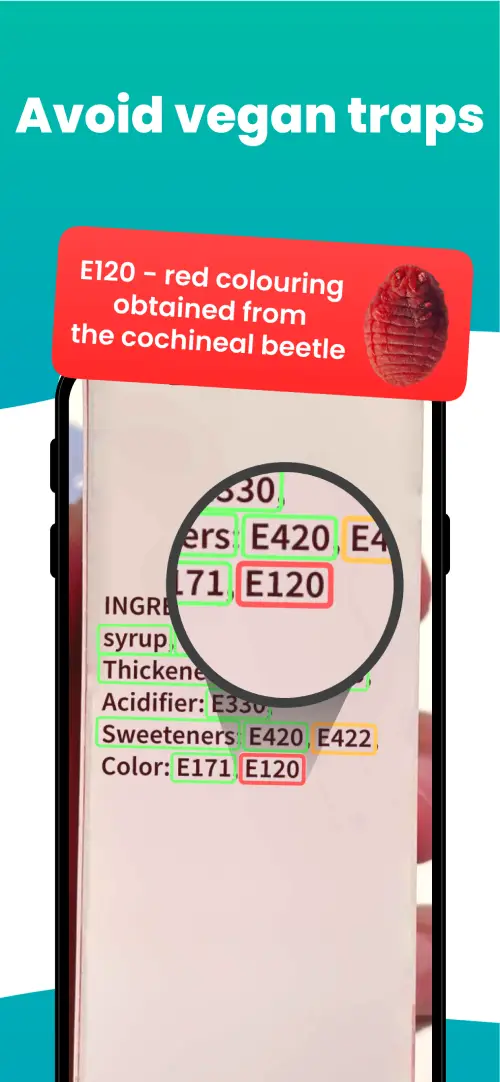
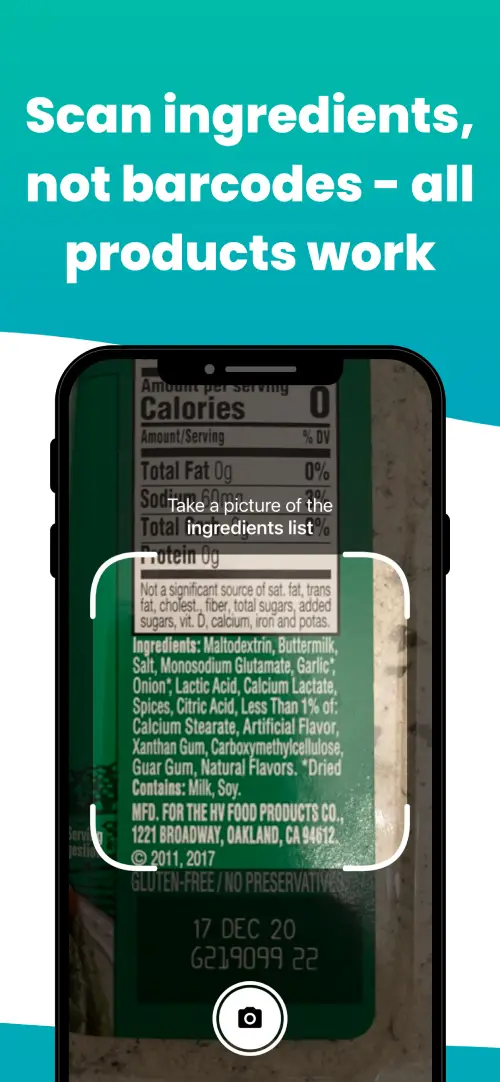
We've built a vegan ingredients scanner that classifies food ingredients as "vegan", "non-vegan", or "potentially vegan".
It allows you to avoid non-vegan ingredients - just take a picture of a product's ingredient list, and the app tells you if the product is vegan or not.



We'll never send you spam.