
Is fd&c red color no. 40 vegan?
Fd&c red color no. 40 is a vegan food ingredient.
Checking out an ingredients list? 👇
"You are amazing, this has saved me so much time when grocery shopping!"
— Austin, a user who reached out with feedback
"It's been a great tool since starting my journey! You take a pic of the nutrition/ingredients, and it'll warn you of anything questionable or not vegan. 😁"
— Ashe, a Vegan For Beginners Facebook Group member
"Use a vegan app when you go shopping, I use WhatsVegan."
— Dóra, a Vegan For Beginners Facebook Group member
So, what is fd&c red color no. 40?
FD&C Red No. 40 is a synthetic colorant, an azo dye meticulously engineered from petroleum derivatives. Its primary purpose in the food industry is to impart a vibrant, stable red hue to a vast array of products, from beverages and candies to cereals and processed snacks. This widespread application often places it within the ingredient lists of many plant-based and vegan-marketed items, leading some to assume its complete alignment with a vegan lifestyle.
From a purely compositional standpoint, FD&C Red No. 40 contains no animal-derived ingredients. Unlike carmine, which is extracted from cochineal insects, or various natural reds that may rely on animal-derived processing aids, Red No. 40 is a product of chemical synthesis. Its molecular structure is entirely man-made, meaning that the material itself is free from animal tissues, byproducts, or secretions. This fundamental aspect is why, on an ingredient list alone, it might be categorized as "vegan" by those primarily focused on the absence of animal components.
However, the ethical landscape for discerning vegans extends beyond just the final ingredient list to encompass the entire lifecycle and regulatory approval of a product. This is where FD&C Red No. 40 enters a significant "gray area." Historically and, in many jurisdictions, currently, artificial food dyes like Red No. 40 have undergone extensive animal testing to establish their safety for human consumption. Regulatory bodies such as the U.S. FDA have mandated studies on various animal species, including rats, mice, and dogs, to assess toxicity, carcinogenicity, and reproductive effects before granting approval.
For many vegans, the concept of "cruelty-free" is paramount. This principle dictates avoiding any product or ingredient whose development, testing, or production caused harm or suffering to animals. While the dye itself doesn't come from an animal, the foundational data supporting its market presence often does. This creates a profound ethical dilemma: using a product that is compositionally vegan, but whose very existence on store shelves required animal experimentation. The desire for purity, stemming from deep animal ethics, often leads individuals to reject such ingredients, viewing them as inherently tainted by the suffering involved in their validation.
Consumers committed to this comprehensive cruelty-free standard often seek plant-based alternatives for red coloring. Ingredients like beet juice concentrate, paprika extract, annatto, and various anthocyanins (derived from fruits and vegetables like purple carrots, elderberries, or red cabbage) offer vibrant, naturally sourced hues without the ethical baggage of animal testing. These provide true "label transparency" for the ethically-minded, as their sourcing and safety do not rely on animal experimentation. While some plant-based colorants might involve processing aids, reputable manufacturers are increasingly adopting vegan-friendly options, further enhancing their appeal to the cruelty-free market.
Ultimately, while FD&C Red No. 40 is a synthetic compound free of animal matter, its regulatory history of animal testing presents a significant conflict for those adhering to strict vegan animal ethics. The choice to consume products containing it becomes a personal one, weighing compositional purity against the broader implications of its approval process.
How to quickly find the source of ingredients like fd&c red color no. 40?
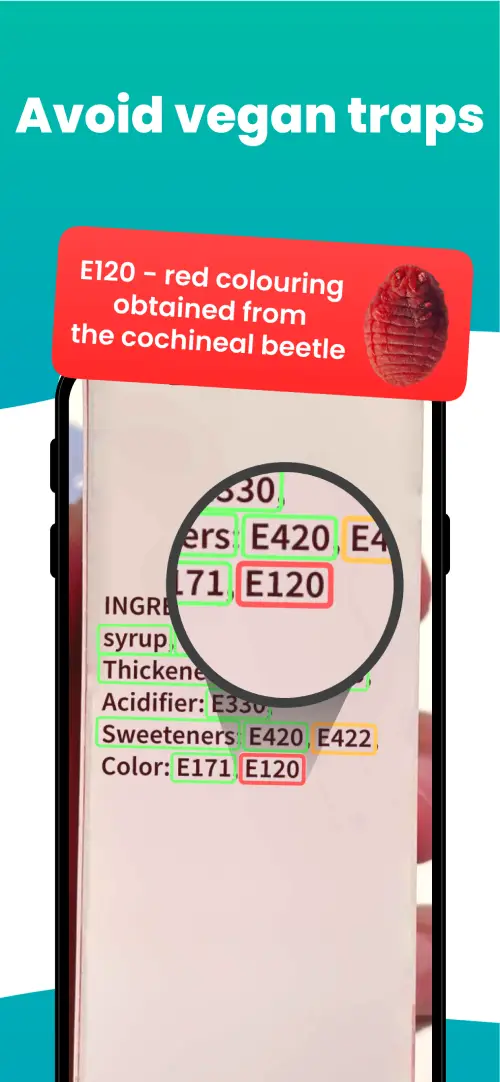
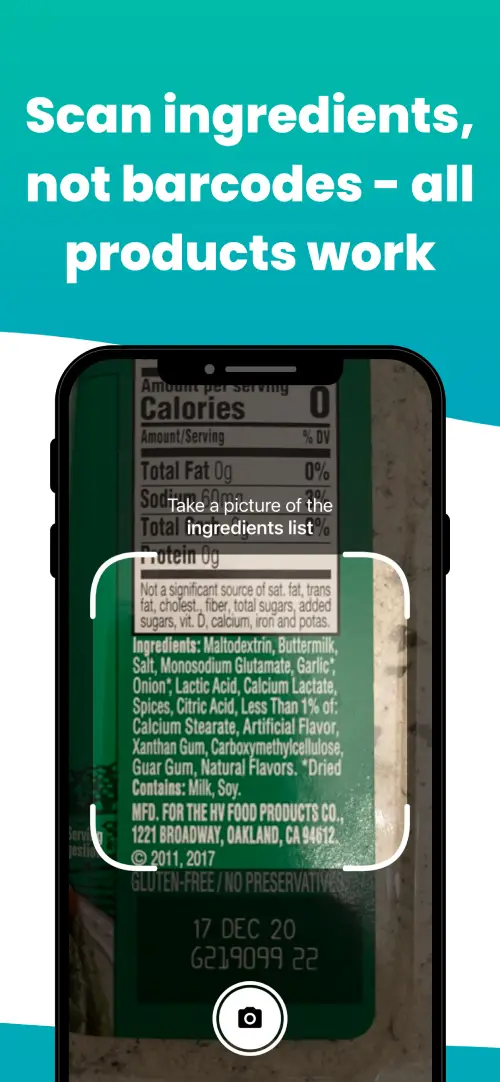
We've built a vegan ingredients scanner that classifies food ingredients as "vegan", "non-vegan", or "potentially vegan".
It allows you to avoid non-vegan ingredients - just take a picture of a product's ingredient list, and the app tells you if the product is vegan or not.



Check out other ingredients:
Is coriander powder vegan?Is corn germ vegan?Is corn glucose vegan?Is corn gluten vegan?Is corn sugar vegan?Is fd&c red 7 vegan?Is corn-syrup vegan?Is fd&c red 33 vegan?Are cornflower petals vegan?Is d&c red 27 vegan?Is à la tomate vegan?Is môut de raisin concentré rectifié vegan?
We'll never send you spam.