
Is corn gluten vegan?
Corn gluten is a vegan food ingredient.
Checking out an ingredients list? 👇
"You are amazing, this has saved me so much time when grocery shopping!"
— Austin, a user who reached out with feedback
"It's been a great tool since starting my journey! You take a pic of the nutrition/ingredients, and it'll warn you of anything questionable or not vegan. 😁"
— Ashe, a Vegan For Beginners Facebook Group member
"Use a vegan app when you go shopping, I use WhatsVegan."
— Dóra, a Vegan For Beginners Facebook Group member
So, what is corn gluten?
For those committed to a vegan lifestyle, understanding the origins and processing of every ingredient is paramount. "Corn gluten" can sometimes evoke questions due to its name, potentially leading to an association with wheat gluten and its related dietary considerations. However, from the perspective of animal ethics and scientific composition, corn gluten is definitively vegan. Its very nature aligns perfectly with the principles of purity and plant-based sourcing.
Unpacking Corn Gluten: A Scientific Look
Corn gluten is a protein-rich byproduct derived exclusively from the wet-milling process of corn kernels. This industrial separation technique meticulously divides the corn grain into its various components: starch, fiber, germ, and protein. The isolated protein fraction is what constitutes corn gluten. It presents as a fine, granular yellow powder, possessing distinct characteristics that differentiate it entirely from wheat gluten. Its primary protein components, namely zein and glutelin, are unique to corn and bear no structural resemblance to the proteins found in wheat, barley, or rye. This distinction is crucial, as it means corn gluten is naturally free from the gluten complex associated with celiac disease and gluten sensitivities.
The Vegan Imperative: Why Corn Gluten is Ethically Aligned
The vegan integrity of corn gluten is unequivocal. Its entire lifecycle, from cultivation to processing and extraction, is devoid of any animal involvement. This commitment to purely plant-derived inputs seamlessly integrates with a cruelty-free philosophy, offering assurance that products containing corn gluten are ethically sound. It is a direct extract from the corn plant itself, presenting a clean and transparent ingredient profile free from concerns regarding animal exploitation or hidden animal byproducts.
While corn gluten isn't typically positioned as a primary protein source in human-grade meat alternatives—roles more commonly filled by soy or pea protein—it nonetheless serves as a valuable functional ingredient. It imparts beneficial protein content and binding properties in various specialized applications, notably in some vegan pet food formulations and industrial products where its unique characteristics are advantageous as a texturizer or enhancer. Its utility broadens the scope of truly plant-based alternatives.
Clarity through Label Transparency
A fundamental aspect of informed vegan consumption is label transparency. When corn gluten is incorporated into a product, it will be clearly itemized on the ingredient list, typically as "corn gluten" or "corn gluten meal." This straightforward declaration eliminates ambiguity, empowering vegans to confidently assess its presence. The manufacturing processes involved in producing corn gluten are generally direct and do not typically involve non-vegan processing aids that would compromise its status. Reputable food labeling standards would also mandate the disclosure of any such aids, if used.
Its inherent plant origin intrinsically minimizes concerns about cross-contamination with animal products within its primary processing stream. While conscientious manufacturing practices always necessitate vigilance regarding shared equipment, the ingredient itself is fundamentally pure and derived from a singular plant source.
In essence, corn gluten stands as a reliable and ethically consistent ingredient for the vegan community. Its complete plant origin, clear labeling, and functional contributions make it a suitable component for those dedicated to a cruelty-free lifestyle, further enriching the landscape of truly plant-based options available today.
How to quickly find the source of ingredients like corn gluten?
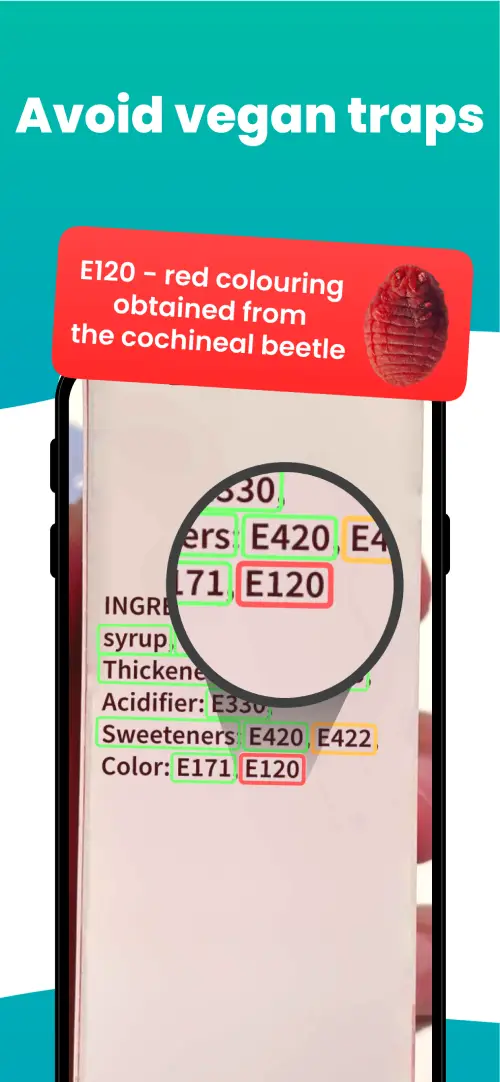
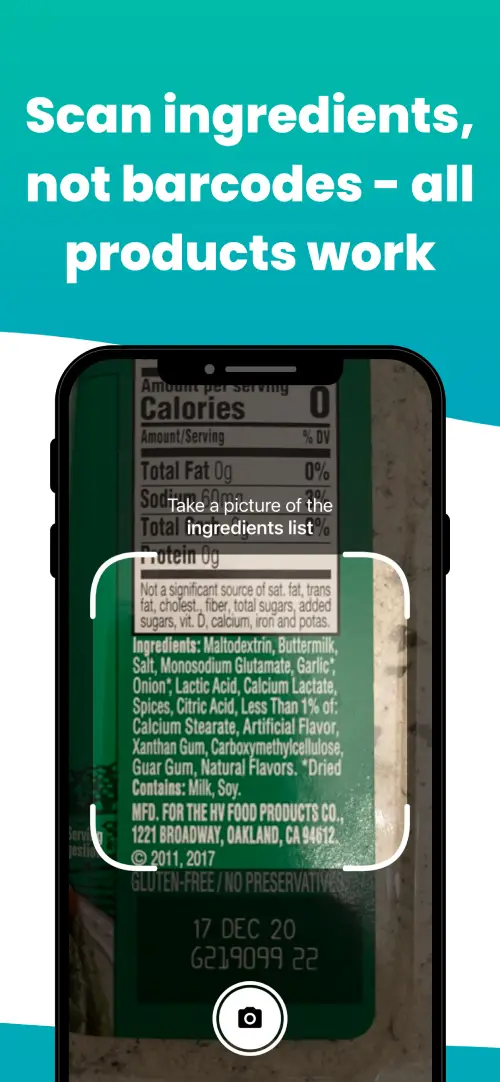
We've built a vegan ingredients scanner that classifies food ingredients as "vegan", "non-vegan", or "potentially vegan".
It allows you to avoid non-vegan ingredients - just take a picture of a product's ingredient list, and the app tells you if the product is vegan or not.



Check out other ingredients:
Is corn glucose vegan?Are corn peas vegan?Is corn germ vegan?Is corn powder vegan?Is corn sugar vegan?Are cornflower petals vegan?Is fd&c red color no. 40 vegan?Is cornstrach vegan?Is milled sugar cane vegan?Is fruit fibre vegan?Is acid-hydrolyzed vegetable protein vegan?Is e150c vegan?
We'll never send you spam.