
Is cornstrach vegan?
Cornstrach is a vegan food ingredient.
Checking out an ingredients list? 👇
"You are amazing, this has saved me so much time when grocery shopping!"
— Austin, a user who reached out with feedback
"It's been a great tool since starting my journey! You take a pic of the nutrition/ingredients, and it'll warn you of anything questionable or not vegan. 😁"
— Ashe, a Vegan For Beginners Facebook Group member
"Use a vegan app when you go shopping, I use WhatsVegan."
— Dóra, a Vegan For Beginners Facebook Group member
So, what is cornstrach?
The Cornerstone of Plant-Based Purity: Understanding Cornstarch
In the realm of plant-forward culinary arts, certain ingredients stand as fundamental pillars, celebrated for their utility and unwavering ethical standing. Among these, cornstarch emerges as a prime example, a versatile carbohydrate widely embraced for its functional properties and, critically, its unambiguous vegan status.
Cornstarch, or corn flour, is a fine, white powder derived from the endosperm of the corn kernel. Its primary role in the kitchen is that of a thickening agent, creating velvety sauces, gravies, and custards without imparting any discernible flavor. Beyond its thickening prowess, it’s also a key component in many gluten-free baking applications and can contribute to the crispiness of fried foods. Scientifically, it's a polysaccharide, a complex carbohydrate, extracted through a wet milling process that separates the starch from other components of the corn grain. This process is inherently simple and direct, involving steeping, grinding, and centrifuging, culminating in a product that is pure starch.
From an animal ethics perspective, cornstarch represents an ideal ingredient. Its origin is solely botanical, extracted directly from the kernels of corn plants. This means there are no animal-derived components, byproducts, or processing aids involved at any stage of its production. Unlike some other ingredients that might necessitate scrutiny due to potential "gray areas" concerning refining methods (such as bone char filtration for certain sugars) or cross-contamination risks, cornstarch’s supply chain is remarkably clear. This purity is what makes it a consistently reliable and widely used plant-based alternative to animal-derived thickeners like gelatin, which is directly sourced from collagen in animal bones and connective tissues. For those committed to cruelty-free food choices, cornstarch offers peace of mind, aligning perfectly with the principles of avoiding animal exploitation.
Its versatility extends beyond thickening. When combined with water, it can act as a remarkably effective egg replacer in many baked goods, providing structure and binding. This makes it an invaluable asset in creating a wide array of vegan dishes, from savory stir-fries to delicate fruit tarts, all while upholding a strict ethical standard. The inherent nature of cornstarch as a single-source plant extract underscores why it’s so trusted within the vegan community, eliminating concerns that might otherwise arise regarding opaque manufacturing processes or hidden animal inputs.
The transparency surrounding cornstarch's production is a testament to its vegan integrity. Consumers seeking fully plant-based and cruelty-free options can confidently incorporate cornstarch into their diets and recipes without extensive label decoding or investigations into processing aids. Its consistent performance and clean ethical profile solidify its position as an indispensable staple, embodying the very essence of accessible, ethical, and effective plant-based cooking.
How to quickly find the source of ingredients like cornstrach?
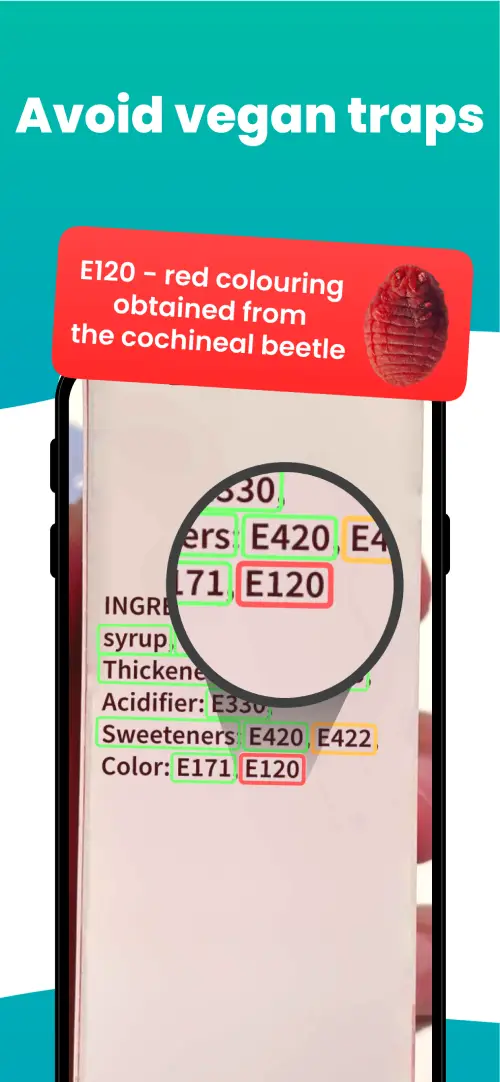
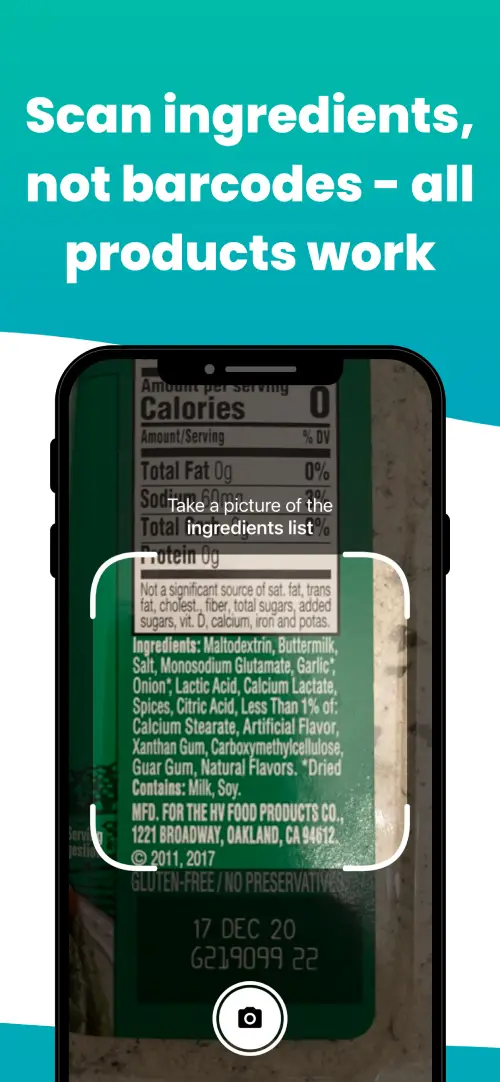
We've built a vegan ingredients scanner that classifies food ingredients as "vegan", "non-vegan", or "potentially vegan".
It allows you to avoid non-vegan ingredients - just take a picture of a product's ingredient list, and the app tells you if the product is vegan or not.



Check out other ingredients:
Is milled sugar cane vegan?Are cornflower petals vegan?Is e150c vegan?Is burnt sugar coloring vegan?Is caramel liquid vegan?Is corn gluten vegan?Is natural brown 10 vegan?Is sethness 858 vegan?Is nutmeat vegan?Is corn cereal vegan?Is resistant corn maltodextrin vegan?Is farine de seiglé vegan?
We'll never send you spam.