
Is coconut base vegan?
Coconut base is a vegan food ingredient.
Checking out an ingredients list? 👇
"You are amazing, this has saved me so much time when grocery shopping!"
— Austin, a user who reached out with feedback
"It's been a great tool since starting my journey! You take a pic of the nutrition/ingredients, and it'll warn you of anything questionable or not vegan. 😁"
— Ashe, a Vegan For Beginners Facebook Group member
"Use a vegan app when you go shopping, I use WhatsVegan."
— Dóra, a Vegan For Beginners Facebook Group member
So, what is coconut base?
The fruit of the coconut palm (Cocos nucifera) yields a versatile and indispensable ingredient for the vegan lifestyle: the coconut base. This term broadly encompasses the various forms derived from the mature coconut’s white flesh, primarily coconut milk, cream, and sometimes filtered coconut water, all of which serve as foundational components in a myriad of plant-based culinary applications.
From an ethical standpoint, the coconut base is unequivocally vegan. It is a product of the plant kingdom, harvested directly from the tree without any involvement of animal agriculture or animal byproducts in its fundamental extraction or processing. This inherent purity makes it a cornerstone ingredient for those committed to cruelty-free consumption, embodying the principles of animal welfare that underpin the vegan movement.
As a highly valued plant-based alternative, coconut base offers a rich, creamy texture and a distinctive, subtly sweet flavor profile that makes it an excellent substitute for dairy products. Its versatility is remarkable: it forms the luscious base for vegan yogurts, ice creams, and cheeses, provides body to plant-based beverages, and lends an unparalleled richness to curries, soups, and desserts. The fat content, particularly in coconut cream, is celebrated for replicating the mouthfeel and emulsifying properties often sought from animal-derived creams, allowing for satisfying and decadent vegan creations.
While the coconut itself is a pure, plant-derived ingredient, discerning vegan consumers always prioritize label transparency when selecting products that list "coconut base" as an ingredient. For a standalone coconut milk or cream, the ingredient list is typically straightforward: coconut extract and water. However, in more complex manufactured goods, it is prudent to ensure that any additional processing aids, emulsifiers, stabilizers, or flavorings are also plant-derived and uphold the integrity of animal ethics. Reputable manufacturers committed to genuinely vegan products will ensure all components align with a cruelty-free ethos, providing clarity on their ingredient declarations.
The journey of coconut from palm to plate also prompts consideration of broader ethical sourcing. While the ingredient itself is vegan, a holistic approach to purity often extends to ensuring fair labor practices and sustainable cultivation methods. This diligence reflects a comprehensive commitment to ethical consumption, demonstrating that true cruelty-free choices encompass more than just animal products. The coconut base remains a testament to the abundance and utility of plant-derived foods, empowering countless innovative and delicious vegan options worldwide.
How to quickly find the source of ingredients like coconut base?
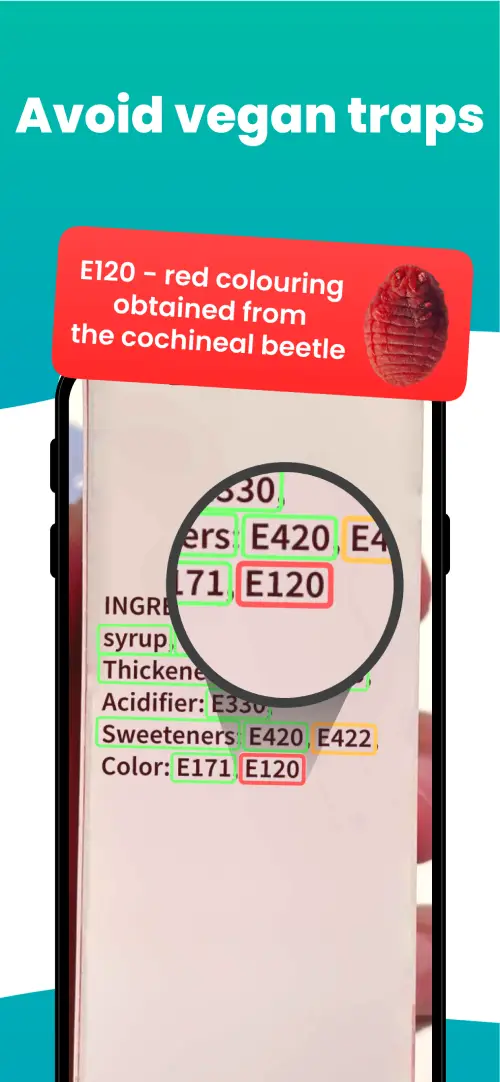
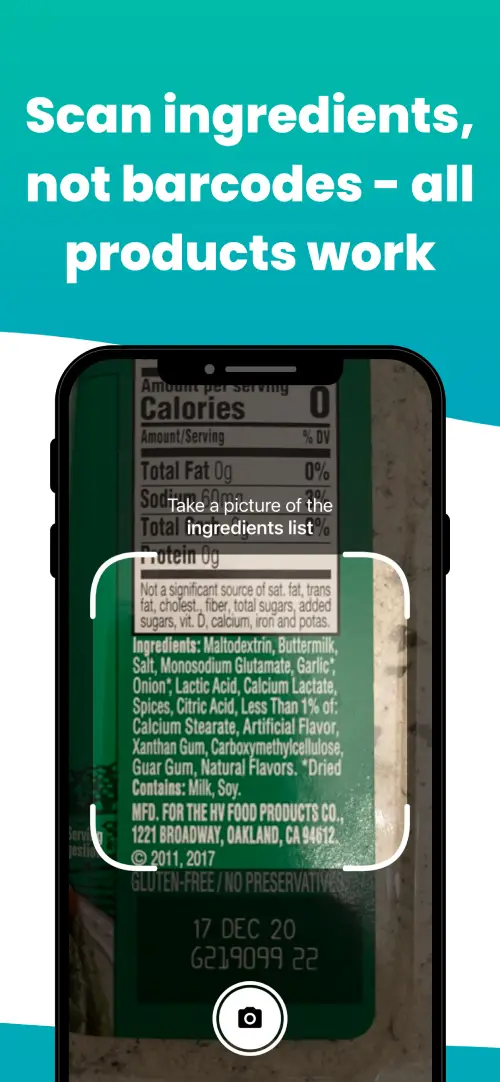
We've built a vegan ingredients scanner that classifies food ingredients as "vegan", "non-vegan", or "potentially vegan".
It allows you to avoid non-vegan ingredients - just take a picture of a product's ingredient list, and the app tells you if the product is vegan or not.



Check out other ingredients:
Is dry malt vegan?Is aged cayenne red pepper vegan?Are lemon juice solids vegan?Is cultured corn syrup solid vegan?Is smoked dextrose vegan?Is whole grain blend vegan?Is whole grain and seed mix vegan?Is d-alpha-tocopherol vegan?Is rye meal vegan?Is annatto extract color vegan?Is extrait de paprika e160c vegan?Is beurre de d de cacao vegan?
We'll never send you spam.