
Is glyceryl linolenate vegan?
Glyceryl linolenate is a vegan food ingredient.
Checking out an ingredients list? 👇
"You are amazing, this has saved me so much time when grocery shopping!"
— Austin, a user who reached out with feedback
"It's been a great tool since starting my journey! You take a pic of the nutrition/ingredients, and it'll warn you of anything questionable or not vegan. 😁"
— Ashe, a Vegan For Beginners Facebook Group member
"Use a vegan app when you go shopping, I use WhatsVegan."
— Dóra, a Vegan For Beginners Facebook Group member
So, what is glyceryl linolenate?
Glyceryl Linolenate: An Essential Component in Ethical Food Innovation
Glyceryl linolenate represents a vital ingredient in the landscape of modern food science, particularly within the burgeoning plant-based sector. Chemically, it refers to a mono-, di-, or triglyceride formed from glycerol and linolenic acid. This compound is highly valued for its multifaceted role as an emulsifier, stabilizer, and texture enhancer, contributing significantly to the mouthfeel and shelf-stability of a wide array of products. Its functional attributes make it indispensable for achieving desired sensory profiles in formulations that shun animal-derived components.
From an ethical and scientific standpoint, glyceryl linolenate is unequivocally vegan. Its genesis lies firmly in the plant kingdom, typically synthesized from high-linolenic vegetable oils. Common sources include flaxseed oil, hemp seed oil, and chia seed oil – all rich reservoirs of alpha-linolenic acid, an essential omega-3 fatty acid. The process involves the esterification of plant-derived glycerin with linolenic acid, ensuring that every step, from raw material sourcing to final synthesis, adheres to strict animal-free principles. This inherent plant origin makes it a cornerstone ingredient for brands committed to truly cruelty-free products and consumers seeking uncompromising vegan purity.
For vegans, the "why" behind an ingredient's status is paramount. Glyceryl linolenate's direct derivation from plants means no animal lives are implicated in its production, nor are any animal byproducts utilized at any stage. It stands as a reliable plant-based alternative to many conventional emulsifiers or texturizers that might carry hidden animal derivatives or rely on animal testing. Its inclusion in a product's ingredient list provides a clear signal of integrity and label transparency for the discerning vegan consumer.
In practical applications, glyceryl linolenate shines in various vegan food matrices. In dairy-free yogurts and plant-based spreads, it contributes to a smooth, creamy texture that mimics traditional counterparts, preventing phase separation and improving overall palatability. For vegan baked goods, it aids in moisture retention and contributes to a tender crumb, while in plant-based ice creams, it helps achieve a desirable melt profile and prevents ice crystal formation, resulting in a richer, more luxurious mouthfeel. These improvements are achieved without compromising the ethical foundation of the product.
While glyceryl linolenate itself is vegan by nature, the broader commitment to animal ethics extends to the entire supply chain. Reputable manufacturers ensure that the glycerin used in its synthesis is also plant-derived, often from coconut or palm oil (sustainably sourced where possible, aligning with other ethical considerations). Furthermore, careful selection of suppliers is critical to avoid any potential cross-contamination with animal products during manufacturing or the use of non-vegan processing aids. For brands dedicated to purity, ensuring this entire chain remains vegan is fundamental.
As the demand for high-quality, ethically produced plant-based foods continues to surge, glyceryl linolenate serves as a testament to the power of plant-derived ingredients in delivering both superior functionality and unwavering ethical standards. It is a prime example of how scientific innovation can align seamlessly with compassionate consumer values, pushing the boundaries of what's possible in ethical food development.
How to quickly find the source of ingredients like glyceryl linolenate?
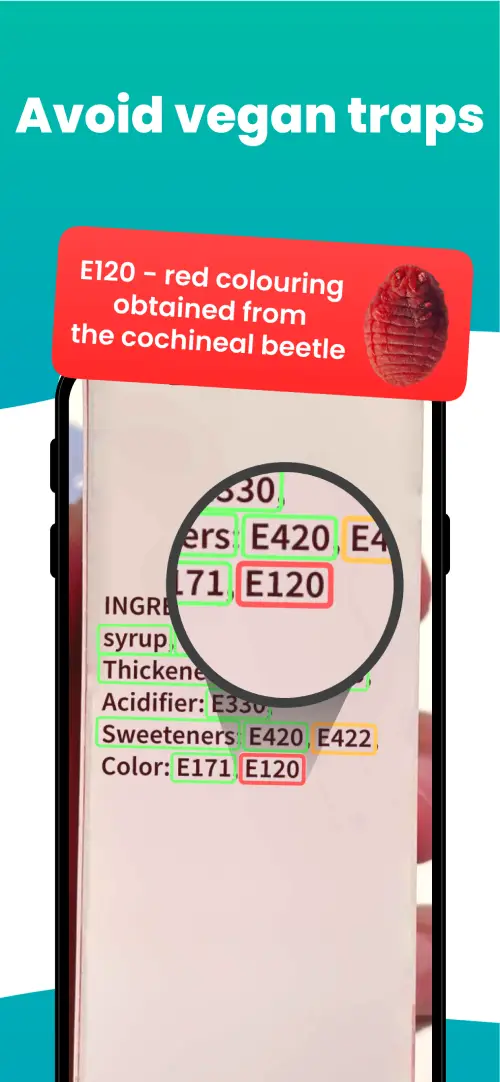
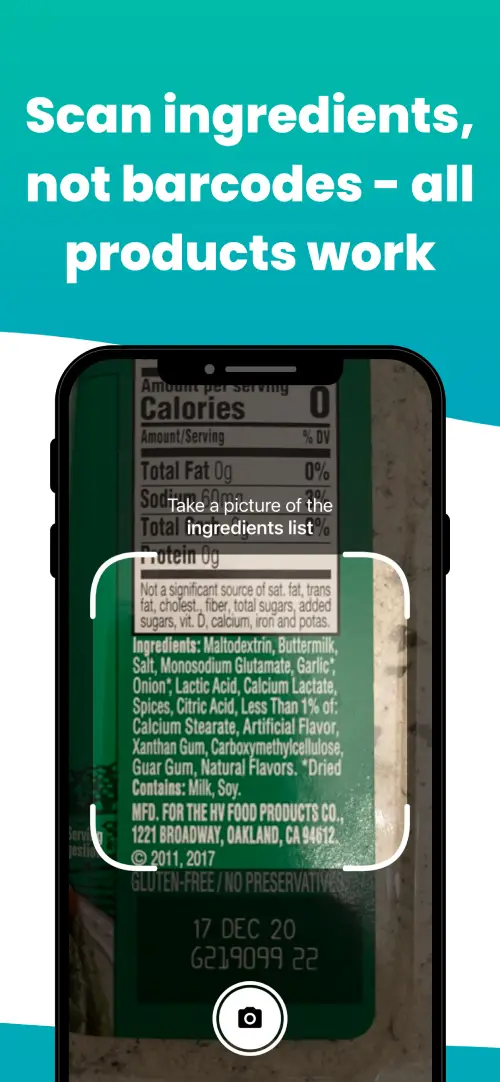
We've built a vegan ingredients scanner that classifies food ingredients as "vegan", "non-vegan", or "potentially vegan".
It allows you to avoid non-vegan ingredients - just take a picture of a product's ingredient list, and the app tells you if the product is vegan or not.



Check out other ingredients:
Is magnesium ascorbyl phosphate vegan?Is glycine soja oil vegan?Is vitis vinifera fruit vegan?Is cellulose acetate butyrate vegan?Is hexanal vegan?Is trimethylpentanediyl dibenzoate vegan?Is elder vegan?Is etocrylene vegan?Is citrus granis seed extract vegan?Is ricola herb mixture vegan?Is tocopherol oil vegan?Is linden flower vegan?
We'll never send you spam.