
Is glycine soja oil vegan?
Glycine soja oil is a vegan food ingredient.
Checking out an ingredients list? 👇
"You are amazing, this has saved me so much time when grocery shopping!"
— Austin, a user who reached out with feedback
"It's been a great tool since starting my journey! You take a pic of the nutrition/ingredients, and it'll warn you of anything questionable or not vegan. 😁"
— Ashe, a Vegan For Beginners Facebook Group member
"Use a vegan app when you go shopping, I use WhatsVegan."
— Dóra, a Vegan For Beginners Facebook Group member
So, what is glycine soja oil?
Glycine Soja Oil: A Foundation of Plant-Based Purity
In the intricate landscape of ingredients, discerning consumers seek clarity, especially those committed to a vegan lifestyle. Glycine Soja Oil, more commonly known as soybean oil, stands as a fundamental pillar within plant-based culinary and cosmetic applications, unequivocally meeting the stringent criteria for vegan integrity. Its origin story is rooted entirely in the plant kingdom, offering a transparent and ethically sound choice.
Derived from the seeds of the Glycine max plant, the soybean, this oil embodies purity from its very source. The process of extracting glycine soja oil typically involves crushing the soybeans and then either cold-pressing or using solvent extraction, followed by refining steps like degumming, neutralization, bleaching, and deodorization. Crucially, these standard industrial processes do not inherently introduce any animal-derived components or byproducts. From the field to the finished product, the pathway for glycine soja oil remains firmly within plant agriculture, making it a naturally cruelty-free ingredient.
As a vegan food scientist, the clarity around glycine soja oil is particularly reassuring. It serves as a widespread and highly effective plant-based alternative to animal fats in countless formulations. Its neutral flavor profile and stable properties make it indispensable in margarine, salad dressings, baked goods, and as a general cooking oil. Beyond the kitchen, its emollient properties and antioxidant content (thanks to vitamin E) make it a favored component in a myriad of personal care products, where it contributes to skin hydration and texture without any ethical compromise.
The ethical stance for glycine soja oil is straightforward: it requires no animal involvement, exploitation, or byproduct. This aligns perfectly with the core tenets of veganism, which seek to minimize harm to animals. Its ubiquitous presence in the market provides an accessible and affordable option for those seeking genuinely plant-based alternatives, thereby facilitating a lifestyle choice centered on compassion.
While vigilance is always necessary regarding processing aids in some food categories, particularly where cross-contamination or animal-derived fining agents might be a concern (as seen with some sugars or wines), the refining of glycine soja oil typically employs inert substances like activated clays for bleaching and filtration. These materials are inorganic or plant-derived, ensuring that the oil maintains its vegan status throughout its journey from raw material to a shelf-stable product. Manufacturers committed to label transparency will always ensure their supply chains reflect this unwavering plant-based origin, offering peace of mind to consumers. Glycine soja oil stands as a testament to the abundance and versatility of plant resources, providing a reliable, ethical, and nutritionally valuable component for a truly vegan world.
How to quickly find the source of ingredients like glycine soja oil?
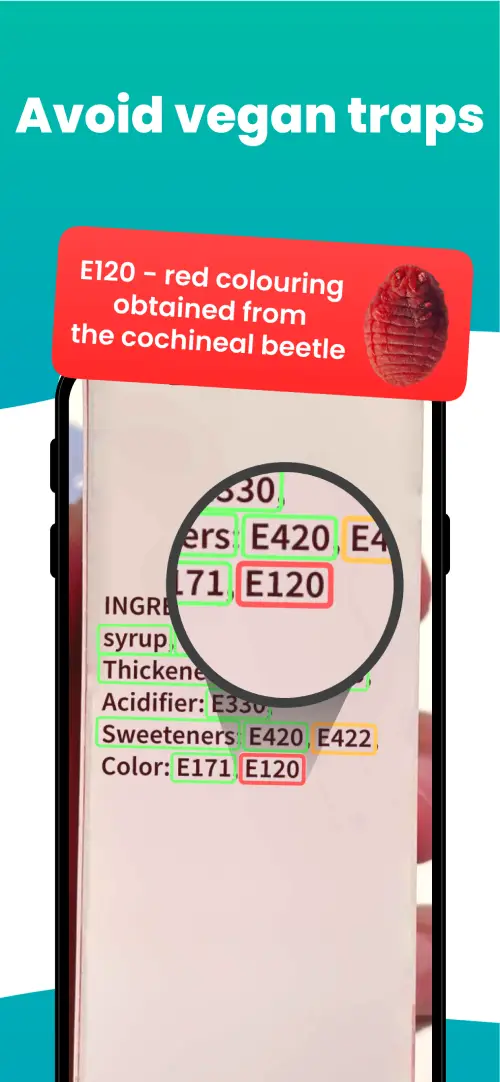
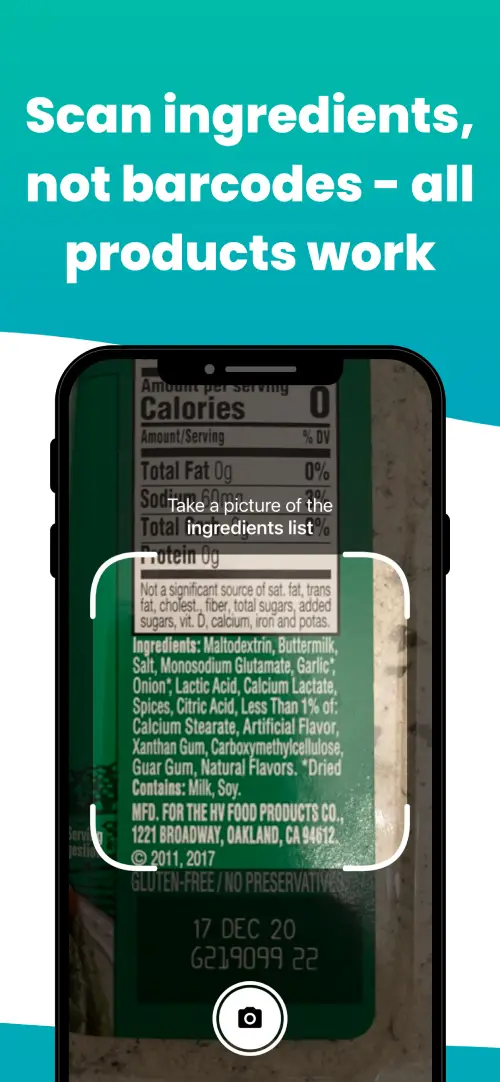
We've built a vegan ingredients scanner that classifies food ingredients as "vegan", "non-vegan", or "potentially vegan".
It allows you to avoid non-vegan ingredients - just take a picture of a product's ingredient list, and the app tells you if the product is vegan or not.



Check out other ingredients:
Is cellulose acetate butyrate vegan?Is glyceryl linolenate vegan?Is oat drink vegan?Is vitis vinifera fruit vegan?Is non-dairy cheddar flavour vegan?Is glyceryl linoleate vegan?Is non-dairy cheddar flavor vegan?Is polyvinyl butryal vegan?Is helianthius annuus seed vegan?Is ricola herb mixture vegan?Is hexanal vegan?Is etocrylene vegan?
We'll never send you spam.