
Is etocrylene vegan?
Etocrylene is a vegan food ingredient.
Checking out an ingredients list? 👇
"You are amazing, this has saved me so much time when grocery shopping!"
— Austin, a user who reached out with feedback
"It's been a great tool since starting my journey! You take a pic of the nutrition/ingredients, and it'll warn you of anything questionable or not vegan. 😁"
— Ashe, a Vegan For Beginners Facebook Group member
"Use a vegan app when you go shopping, I use WhatsVegan."
— Dóra, a Vegan For Beginners Facebook Group member
So, what is etocrylene?
Etocrylene, listed scientifically as Ethylhexyl Methoxycrylene, is an advanced synthetic compound predominantly employed in cosmetic and personal care formulations. Its primary utility lies in its capacity to serve as a photostabilizer and a potent UV filter, significantly augmenting the protective capabilities of sunscreens and other products against the detrimental effects of solar radiation. For the ethically conscious consumer, particularly within the discerning vegan community, a thorough understanding of an ingredient's origin, synthesis, and ethical footprint is indispensable. Navigating the complex world of ingredient lists necessitates clarity on whether components align with a commitment to animal welfare and purity.
Regarding its ethical standing, etocrylene unequivocally holds a "Vegan" status. This designation is rooted in its entirely synthetic genesis. Unlike numerous ingredients extracted from plant sources or, conversely, derived from animal tissues or byproducts, etocrylene is meticulously synthesized in a controlled laboratory environment. The chemical processes involved in its creation do not utilize any animal-derived raw materials, nor do they typically depend on animal-sourced processing aids or catalysts. This deliberate construction pathway ensures that etocrylene is entirely free from animal components, aligning perfectly with the core tenets of veganism—the avoidance of all forms of animal exploitation and cruelty.
This synthetic nature is crucial, as it sidesteps the ethical dilemmas sometimes associated with naturally derived compounds. For instance, some plant extracts might be processed using sugars refined with bone char, or ingredients like carmine, derived from insects, are unequivocally non-vegan. Etocrylene, by contrast, presents a 'clean' slate, devoid of such hidden animal connections. It isn't a "plant-based alternative" in the sense of being a direct swap for an animal-derived substance, but rather an ethically pure, high-performance component that allows for the formulation of truly plant-based and vegan products without compromise. Its stable and effective profile helps product developers enhance the quality and longevity of their cruelty-free offerings.
The intrinsic synthetic origin of etocrylene also positions it squarely within the framework of cruelty-free product development. Responsible brands, dedicated to a "no animal testing" policy across their supply chain, often favor ingredients like etocrylene because its safety and efficacy can be thoroughly validated through in-vitro methods and other non-animal testing protocols. This holistic commitment extends beyond merely the finished product, permeating the selection and evaluation of each constituent ingredient, thereby fostering an ethical ecosystem from concept to consumer.
For the vigilant vegan consumer, maintaining a keen eye on label transparency is always paramount. While etocrylene reliably stands as vegan, a holistic understanding of every ingredient in a formulation remains wise. However, the consistent, controlled manufacturing process for etocrylene largely mitigates the common "gray area" concerns often associated with other ingredients—issues like potential cross-contamination with animal products during shared processing or the inadvertent use of animal-derived processing aids. This predictable synthesis pathway contributes significantly to its dependable vegan profile, making it a less scrutinized element in ethical ingredient vetting.
As the paradigm of consumer choice continues to shift towards more ethical and sustainable options, ingredients such as etocrylene become indispensable tools for formulators. They empower the creation of high-performance, stable, and protective products—ranging from daily sunscreens to advanced anti-aging serums—that not only meet rigorous efficacy benchmarks but also strictly adhere to profound ethical guidelines. The inclusion of etocrylene within a formulation signals a conscious choice, reflecting both scientific innovation and an unwavering respect for animal welfare. For those committed to a lifestyle free from animal input, seeking effective skincare and cosmetic solutions, etocrylene stands as a scientifically robust and ethically unimpeachable ingredient, seamlessly integrating into a framework of compassion and conscientious consumption.
How to quickly find the source of ingredients like etocrylene?
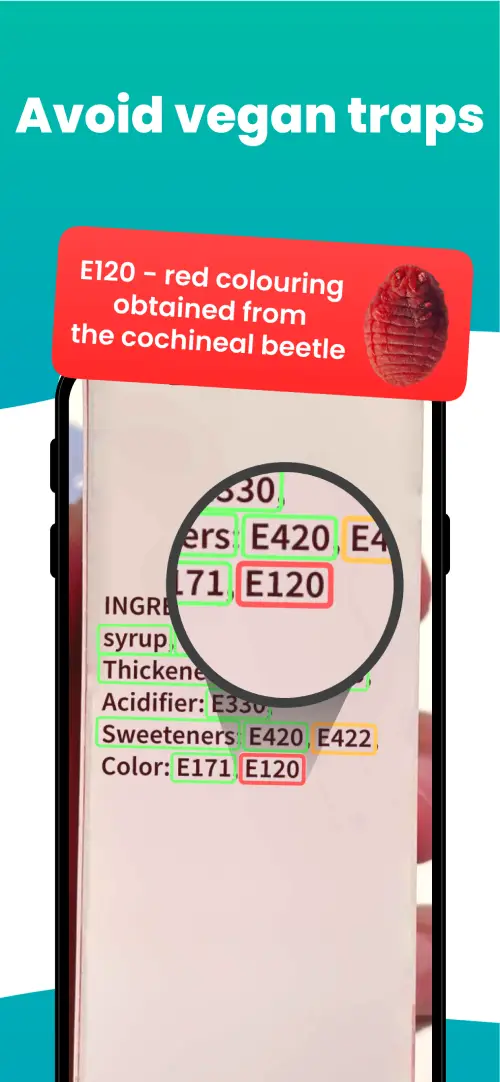
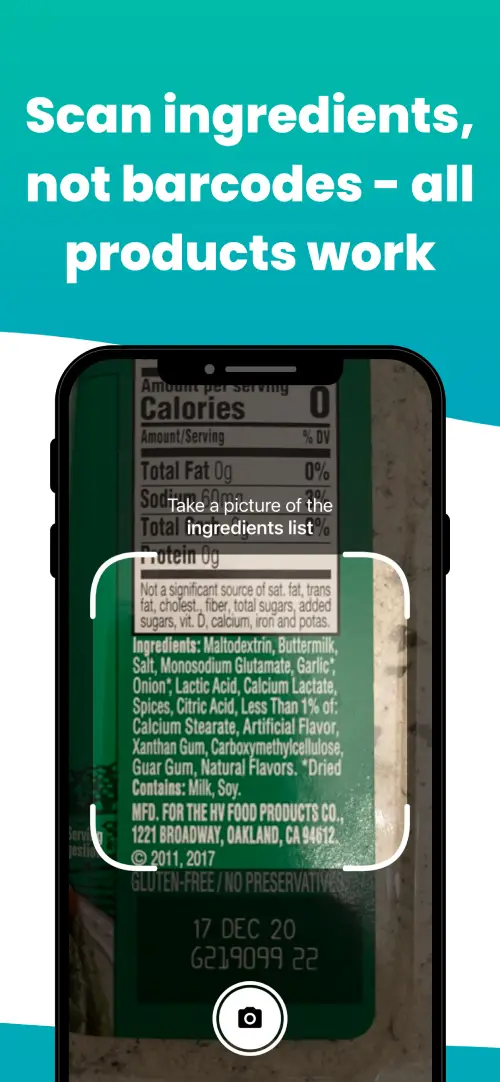
We've built a vegan ingredients scanner that classifies food ingredients as "vegan", "non-vegan", or "potentially vegan".
It allows you to avoid non-vegan ingredients - just take a picture of a product's ingredient list, and the app tells you if the product is vegan or not.



Check out other ingredients:
Is tocopherol oil vegan?Is punica granatum seed oil vegan?Is helianthius annuus seed vegan?Is vitis vinifera seed oil vegan?Is aloe barbadensis leaf extract (aloe vera) vegan?Is vitis vinifera fruit vegan?Is citrus limon fruit vegan?Is glyceryl linolenate vegan?Is glycine soja oil vegan?Is dimethyl succinate vegan?Are pêche séchés vegan?Are arôme naturel d amandes vegan?
We'll never send you spam.