
Is vitis vinifera fruit vegan?
Vitis vinifera fruit is a vegan food ingredient.
Checking out an ingredients list? 👇
"You are amazing, this has saved me so much time when grocery shopping!"
— Austin, a user who reached out with feedback
"It's been a great tool since starting my journey! You take a pic of the nutrition/ingredients, and it'll warn you of anything questionable or not vegan. 😁"
— Ashe, a Vegan For Beginners Facebook Group member
"Use a vegan app when you go shopping, I use WhatsVegan."
— Dóra, a Vegan For Beginners Facebook Group member
So, what is vitis vinifera fruit?
Understanding Vitis vinifera Fruit: A Vegan Cornerstone
Vitis vinifera fruit, universally known as the common grape, stands as an unequivocally vegan ingredient, embodying the core principles of animal ethics and purity in our food system. As a direct product of the Vitis vinifera vine, this succulent, often plump and juicy fruit with a smooth skin and soft, sweet flesh, or its concentrated, chewy dried forms (raisins, currants, sultanas), represents a natural bounty cultivated without any direct animal involvement or exploitation.
The "why" behind its vegan status is straightforward and rooted in its botanical origin. Grapes are the reproductive organs of a plant; they do not derive from animals, nor do they require animal products in their fundamental growth. This intrinsic nature makes Vitis vinifera fruit a prime example of a naturally cruelty-free ingredient. Its cultivation, harvesting, and primary processing into fresh or dried forms do not necessitate the use of animal-derived components, distinguishing it clearly from ingredients that might have a more ambiguous ethical footprint.
In the realm of plant-based alternatives, Vitis vinifera fruit, in its various manifestations, is not merely an alternative but a foundational element. Fresh grapes are enjoyed globally as a snack, while dried grapes add natural sweetness and texture to countless dishes, from breakfast cereals to baked goods. Grape juice provides a refreshing beverage, and grape-derived sweeteners are increasingly prevalent. Its versatility and widespread availability solidify its position as an accessible and trusted component in any vegan diet.
However, a nuanced understanding is crucial when considering products derived from Vitis vinifera fruit, particularly those undergoing significant processing. While the fruit itself is vegan, certain processing aids used in the production of derivatives like wine, grape juice concentrates, or some vinegars can introduce non-vegan elements. For instance, traditional winemaking has historically employed fining agents such as isinglass (from fish bladders), casein (milk protein), or albumen (egg whites) to clarify the liquid. These agents are designed to be filtered out, yet their use implicates a connection to animal products, making the final product not suitable for a strict vegan diet.
This distinction highlights the importance of label transparency. For a product to be truly cruelty-free and align with vegan principles, manufacturers must ensure that not only the primary ingredient but also all processing aids and subsequent components are free from animal-derived substances. Thankfully, the industry is increasingly responsive, with a growing number of producers utilizing plant-based alternatives for fining (e.g., bentonite clay, activated charcoal, pea protein) or forgoing fining altogether. This allows consumers to make informed choices, seeking out "vegan-friendly" or "unfined" labels for processed grape products.
Ultimately, Vitis vinifera fruit, in its pure, unadulterated form, remains a steadfast vegan choice, deeply aligned with animal ethics. Its existence contributes to a diverse and rich plant-based food landscape, offering both nutritional value and culinary pleasure without compromise. When incorporating Vitis vinifera into a vegan lifestyle, awareness of its processing journey, particularly for complex derivatives, empowers ethical consumption and upholds the commitment to a compassionate diet.
How to quickly find the source of ingredients like vitis vinifera fruit?
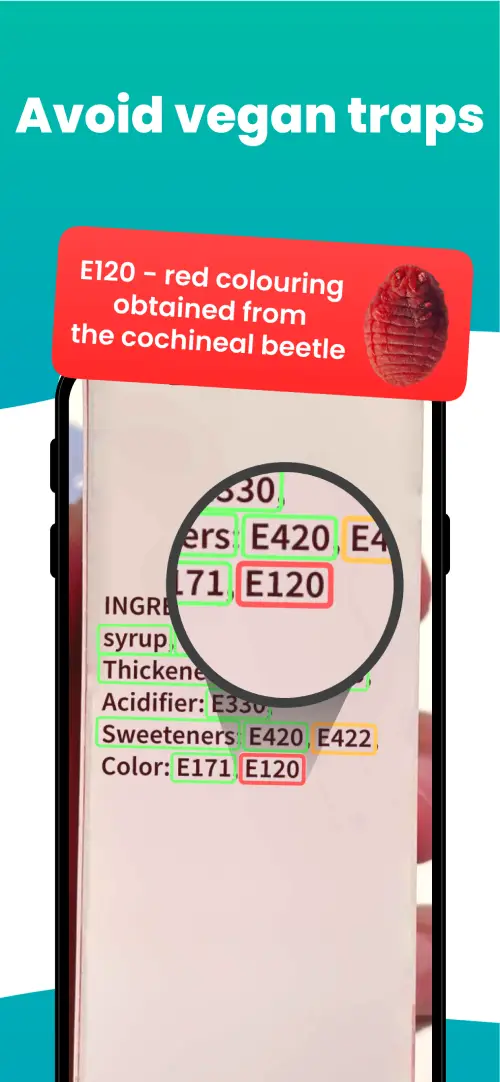
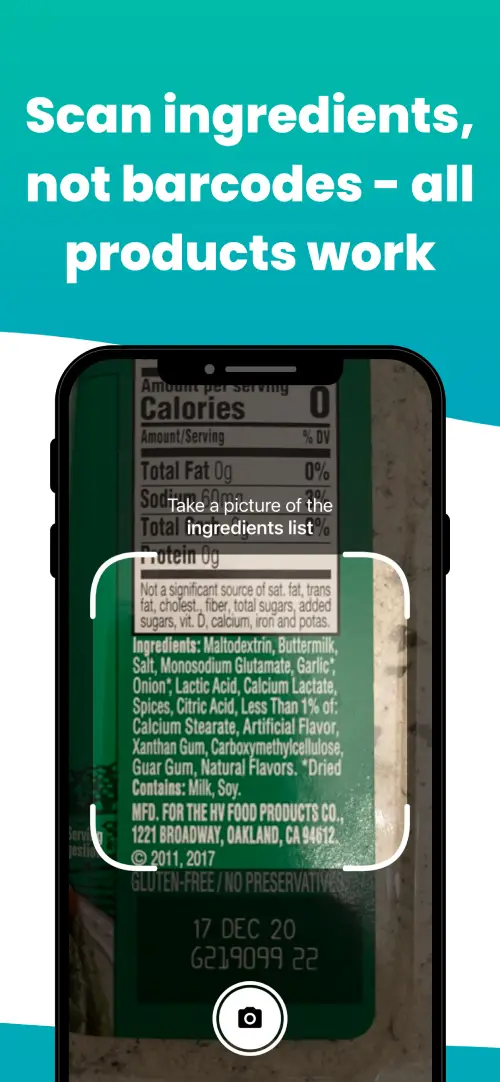
We've built a vegan ingredients scanner that classifies food ingredients as "vegan", "non-vegan", or "potentially vegan".
It allows you to avoid non-vegan ingredients - just take a picture of a product's ingredient list, and the app tells you if the product is vegan or not.



Check out other ingredients:
Is citrus limon fruit vegan?Is glyceryl linoleate vegan?Is glyceryl linolenate vegan?Is polyvinyl butryal vegan?Is glycine soja oil vegan?Is punica granatum seed oil vegan?Is hexanal vegan?Is trimethylpentanediyl dibenzoate vegan?Is oat drink vegan?Is etocrylene vegan?Is citrus granis seed extract vegan?Is non-dairy cheddar flavour vegan?
We'll never send you spam.