
Is hydroxypropyl oxidized strach pg trimonium chloride vegan?
Hydroxypropyl oxidized strach pg trimonium chloride is a vegan food ingredient.
Checking out an ingredients list? 👇
"You are amazing, this has saved me so much time when grocery shopping!"
— Austin, a user who reached out with feedback
"It's been a great tool since starting my journey! You take a pic of the nutrition/ingredients, and it'll warn you of anything questionable or not vegan. 😁"
— Ashe, a Vegan For Beginners Facebook Group member
"Use a vegan app when you go shopping, I use WhatsVegan."
— Dóra, a Vegan For Beginners Facebook Group member
So, what is hydroxypropyl oxidized strach pg trimonium chloride?
Understanding Hydroxypropyl Oxidized Starch PG Trimonium Chloride
In the intricate world of ingredient science, particularly as it intersects with ethical consumerism, understanding complex chemical names is paramount. Hydroxypropyl oxidized starch PG trimonium chloride is one such ingredient that, despite its lengthy designation, holds a clear and reassuring status for those adhering to plant-based principles. This guide delves into its composition, function, and, critically, its unassailable vegan standing.
The Plant-Based Foundation
At its core, hydroxypropyl oxidized starch PG trimonium chloride begins with a humble, abundant, and decidedly plant-derived source: starch. Typically sourced from corn, potato, or tapioca, starch forms the foundational backbone of this ingredient. This immediate plant origin is the first crucial indicator of its vegan integrity. The journey from raw starch to the final compound involves a series of carefully controlled modifications designed to enhance its functional properties.
Initially, the starch undergoes oxidation, a process that alters its molecular structure to improve clarity and stability. Following this, hydroxypropyl groups are introduced, further refining its texture and film-forming capabilities. The final crucial step involves the addition of a "PG trimonium chloride" moiety. "PG" refers to propylene glycol, a synthetic compound. "Trimonium chloride" signifies a quaternary ammonium compound, which imparts a positive charge to the molecule. This positive charge is key to its functionality, allowing it to bind effectively to negatively charged surfaces, such as hair strands or skin.
Unquestionably Vegan: The Ethical Rationale
For the ethically-minded consumer, the most important aspect of hydroxypropyl oxidized starch PG trimonium chloride is its status as a truly vegan ingredient. Every step of its synthesis, from the initial plant starch to the subsequent chemical modifications, relies on non-animal derived raw materials and processes. The chemical reagents used for oxidation, hydroxypropylation, and quaternization are either synthetic or derived from plant-based sources.
This makes it a sterling example of a plant-based alternative in formulations where similar functionalities might, in other contexts, be achieved through animal-derived components or their processing. It completely bypasses concerns about animal testing (as a raw material, it’s generally considered safe and well-established, though final product testing is a separate matter) and the direct exploitation of animals, aligning perfectly with cruelty-free philosophies. The purity of its plant and synthetic origins means there are no "gray areas" typically associated with ingredients that might involve animal processing aids or shared manufacturing lines with animal products.
Functionality and Assurance
In applications, hydroxypropyl oxidized starch PG trimonium chloride typically functions as a conditioning agent, a film-former, and an antistatic agent. It lends a smooth, soft feel and can enhance the texture and stability of various formulations. The development of such high-performing, unequivocally vegan ingredients is a testament to advancements in food science and cosmetic chemistry, providing formulators with reliable options that uphold strict ethical standards.
For consumers, the presence of this ingredient on a label can be a clear signal of a product's commitment to plant-based principles. It underscores the importance of label transparency and diligent ingredient sourcing. When you encounter hydroxypropyl oxidized starch PG trimonium chloride, you can be confident that you are choosing a product free from animal exploitation, rooted firmly in plant science and ethical innovation.
How to quickly find the source of ingredients like hydroxypropyl oxidized strach pg trimonium chloride?
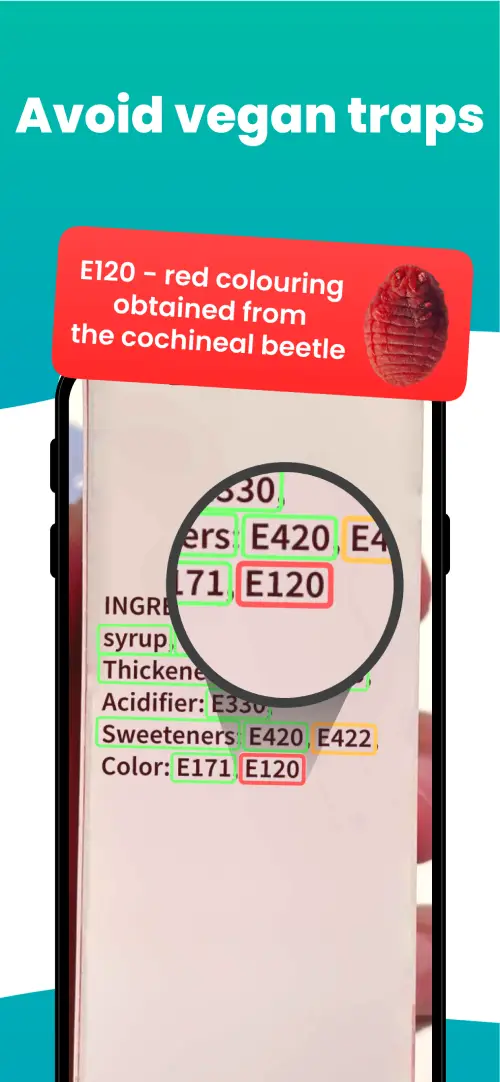
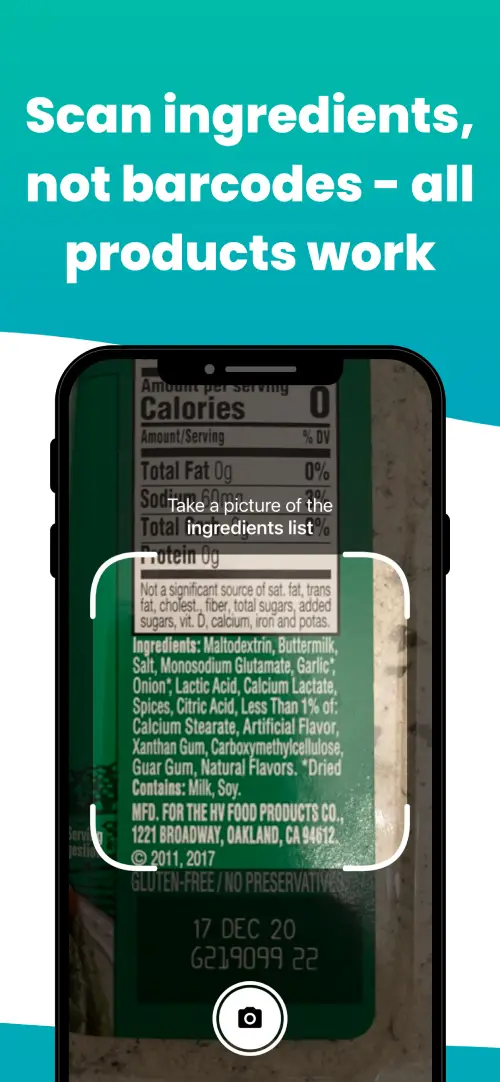
We've built a vegan ingredients scanner that classifies food ingredients as "vegan", "non-vegan", or "potentially vegan".
It allows you to avoid non-vegan ingredients - just take a picture of a product's ingredient list, and the app tells you if the product is vegan or not.



Check out other ingredients:
Is sulfur vegan?Is peg-120 methyl glucose dioleate vegan?Is tetra sodium edta vegan?Is c12-15 pareth-9 vegan?Is cocoamide mipa vegan?Is methylchloroisothiazolinone vegan?Is glycereth-17 cocoate vegan?Is buthylphenyl methyl propional vegan?Is cocoamidopropyl betaine vegan?Is ci 15985 vegan?Is pca vegan?Is concentré de minéraux et du lait vegan?
We'll never send you spam.