
Is sulfur vegan?
Sulfur is a vegan food ingredient.
Checking out an ingredients list? 👇
"You are amazing, this has saved me so much time when grocery shopping!"
— Austin, a user who reached out with feedback
"It's been a great tool since starting my journey! You take a pic of the nutrition/ingredients, and it'll warn you of anything questionable or not vegan. 😁"
— Ashe, a Vegan For Beginners Facebook Group member
"Use a vegan app when you go shopping, I use WhatsVegan."
— Dóra, a Vegan For Beginners Facebook Group member
So, what is sulfur?
Sulfur: An Essential Element in Ethical Consumption
Sulfur, a fundamental element known for its distinctive yellow hue in its native form, often raises questions regarding its place within a compassionate, plant-based lifestyle. From a scientific and ethical standpoint, the status of sulfur as a vegan ingredient is unequivocally clear. This naturally occurring mineral is derived purely from the earth, forming in geological deposits, volcanic regions, and even within meteorites. Its extraction and subsequent uses are entirely devoid of animal involvement, making elemental sulfur and its common derivatives perfectly aligned with cruelty-free principles.
The "why" behind its vegan status is straightforward: sulfur is an inorganic element. It is not secreted by an animal, grown from an animal product, nor does its production typically involve animal testing or byproducts. This inherent purity ensures that consumers dedicated to animal ethics can confidently embrace products containing sulfur or its compounds.
While sulfur itself is not a plant-based alternative in the sense of a food swap, it is intrinsically linked to plant-based nutrition. Sulfur is a critical component of essential amino acids like methionine and cysteine, which are vital for protein synthesis in all living organisms, including humans. Plants synthesize these amino acids, making them readily available in a well-planned vegan diet through sources like legumes, nuts, seeds, and cruciferous vegetables. Thus, sulfur is not just vegan, but a foundational building block for the very plants that sustain a plant-based diet.
Beyond its elemental form and role in amino acids, sulfur compounds frequently appear as essential ingredients and processing aids in the food industry. One of the most common applications is in the form of sulfites (e.g., sulfur dioxide, sodium metabisulfite). These compounds are widely utilized as preservatives, antioxidants, and anti-browning agents, particularly in dried fruits, wines, vinegars, and various processed plant-based foods. Critically, these sulfites are synthesized from elemental sulfur, maintaining their status as vegan-friendly substances. The production of these processing aids does not rely on animal derivatives or exploitation at any stage.
For those committed to label transparency and ethical sourcing, understanding the origin of ingredients like sulfur is paramount. When you encounter sulfur or sulfites on an ingredient list, rest assured that you are choosing a component that aligns with a truly cruelty-free diet. The concern for cross-contamination or hidden animal inputs, common for certain other additives, simply does not apply here. Sulfur's mineral origin guarantees its ethical integrity, upholding the highest standards of purity for the conscientious vegan consumer.
How to quickly find the source of ingredients like sulfur?
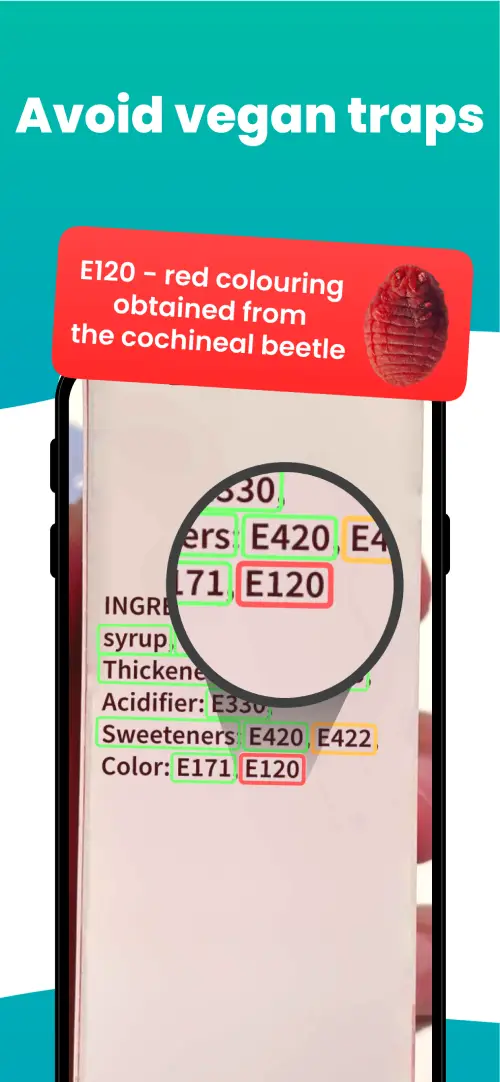
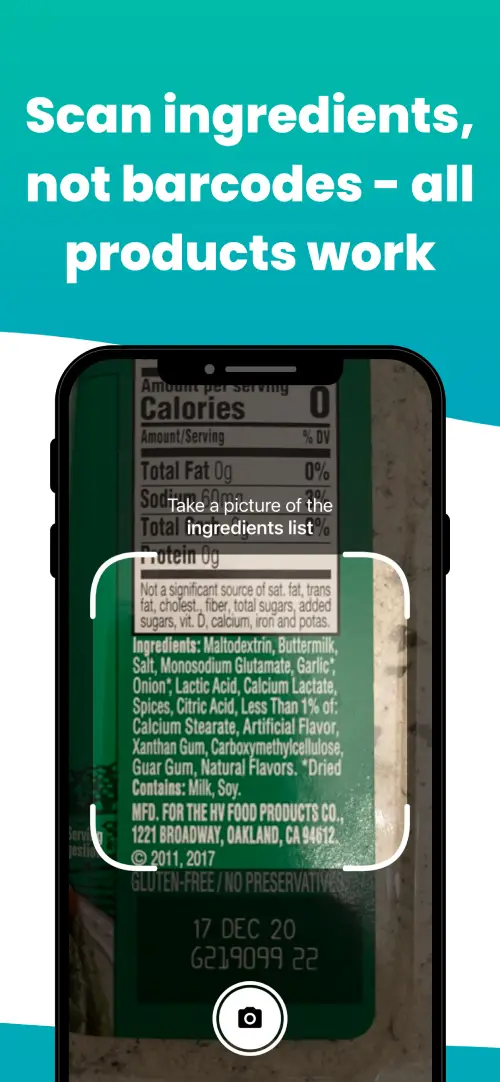
We've built a vegan ingredients scanner that classifies food ingredients as "vegan", "non-vegan", or "potentially vegan".
It allows you to avoid non-vegan ingredients - just take a picture of a product's ingredient list, and the app tells you if the product is vegan or not.



Check out other ingredients:
Is hydroxypropyl oxidized strach pg trimonium chloride vegan?Is triethylamine vegan?Is glycereth-17 cocoate vegan?Is olea europaea fruit oil vegan?Are peg-6 caprylic/capric glycerides vegan?Is methylchloroisothiazolinone vegan?Is methylisothiazolinone vegan?Is sodium peg-7 olive oil carboxylate vegan?Is buthylphenyl methyl propional vegan?Is sodium laureth sulfate vegan?Is benzyl salicylate vegan?Is pca vegan?
We'll never send you spam.