
Is hydroxypropyltrimonium chloride vegan?
Hydroxypropyltrimonium chloride is a vegan food ingredient.
Checking out an ingredients list? 👇
"You are amazing, this has saved me so much time when grocery shopping!"
— Austin, a user who reached out with feedback
"It's been a great tool since starting my journey! You take a pic of the nutrition/ingredients, and it'll warn you of anything questionable or not vegan. 😁"
— Ashe, a Vegan For Beginners Facebook Group member
"Use a vegan app when you go shopping, I use WhatsVegan."
— Dóra, a Vegan For Beginners Facebook Group member
So, what is hydroxypropyltrimonium chloride?
In the meticulous pursuit of an animal-free lifestyle, understanding the origins of every ingredient is fundamental. Hydroxypropyltrimonium chloride, a name frequently encountered in personal care formulations, particularly shampoos and conditioners, often prompts inquiry. For the discerning vegan consumer, clarifying its status is not merely about ingredient knowledge, but about upholding a commitment to animal ethics and uncompromised purity.
Chemically, hydroxypropyltrimonium chloride is a quaternary ammonium compound. Its primary function in cosmetics is as an exceptional conditioning agent and antistatic ingredient. It achieves this by imparting a positive charge, effectively neutralizing the negative charge on hair strands. This action smooths the hair cuticle, reducing friction, enhancing manageability, and leaving hair feeling softer, detangled, and less prone to static electricity.
Crucially, hydroxypropyltrimonium chloride is unequivocally vegan. Its production pathway begins with readily available, naturally derived polysaccharides, most commonly cellulose (sourced from wood pulp or cotton) or guar gum (extracted from the guar bean plant). These plant-based raw materials undergo a chemical modification process, creating the final cationic polymer. This synthesis is meticulously controlled, ensuring that no animal-derived ingredients or byproducts are introduced at any stage, from initial feedstock to the finished compound. This consistent plant-derived origin makes it a highly reliable "plant-based alternative" to traditional animal-derived conditioning agents, such as hydrolyzed keratin or various animal fats that have historically been used in similar applications.
For those adhering to strict "animal ethics," this ingredient stands as a clear and conscientious choice. The manufacturing process does not rely on animal-derived "processing aids" or catalysts, which can occasionally be a hidden source of non-vegan elements in other industrial chemicals. Consequently, products formulated with hydroxypropyltrimonium chloride can confidently support "cruelty-free" claims, provided the final product and all other components meet stringent non-animal testing criteria. This commitment to "label transparency" is vital, empowering consumers to make informed choices that align with their personal values of compassion and integrity.
Unlike some ingredients that present ambiguous origins or "gray areas"—such as sugars processed with bone char, or certain dyes derived from insects—hydroxypropyltrimonium chloride's source is consistently botanical or fully synthetic from non-animal precursors. Concerns regarding "cross-contamination" with animal products are generally mitigated by the dedicated and distinct synthesis routes employed for such compounds, which are typically separate from facilities handling animal byproducts. This inherent purity offers significant peace of mind to the vegan community seeking uncompromising ingredient integrity.
In the ever-evolving landscape of personal care, hydroxypropyltrimonium chloride exemplifies an ingredient that seamlessly marries high functional performance with rigorous ethical standards. Its reliable plant-based origin and animal-free production methods firmly establish its status as a genuinely vegan-friendly component, enabling individuals to uphold their commitment to animal welfare without sacrificing product efficacy or quality.
How to quickly find the source of ingredients like hydroxypropyltrimonium chloride?
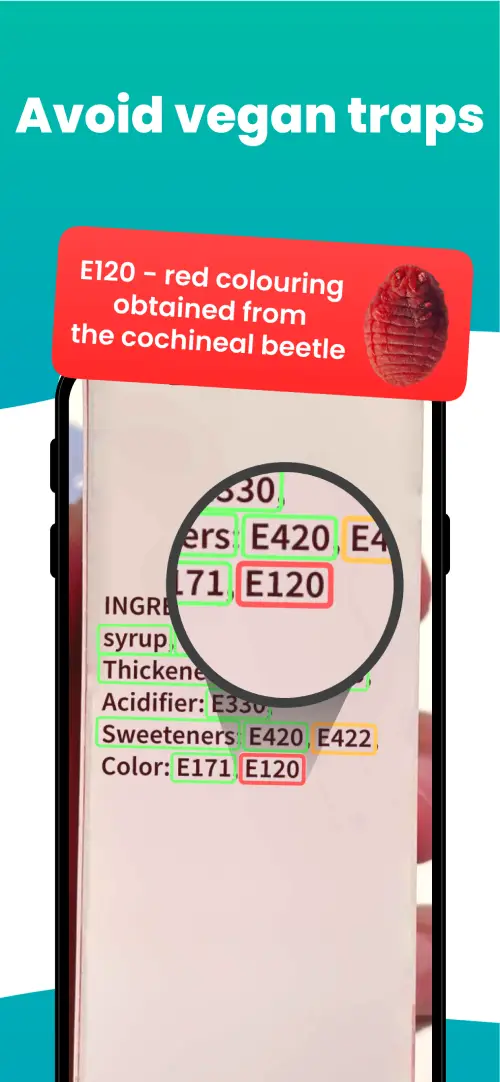
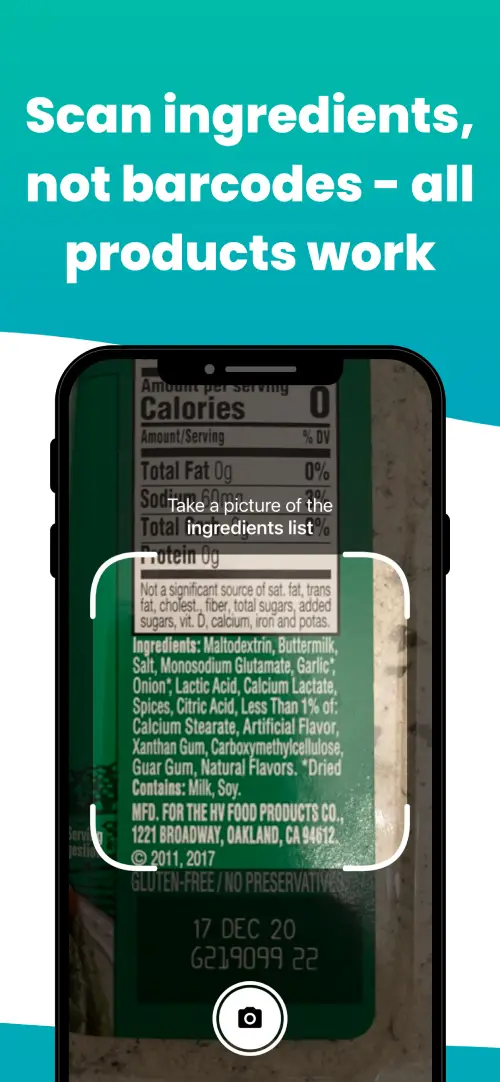
We've built a vegan ingredients scanner that classifies food ingredients as "vegan", "non-vegan", or "potentially vegan".
It allows you to avoid non-vegan ingredients - just take a picture of a product's ingredient list, and the app tells you if the product is vegan or not.



Check out other ingredients:
Is benzyl salicylate vegan?Is buthylphenyl methyl propional vegan?Is alpha-isomethyl ionone vegan?Is methylchloroisothiazolinone vegan?Is aqua/water/eau vegan?Is water/eau vegan?Is turbinado vegan?Is baby zucchini vegan?Is c12-15 pareth-9 vegan?Is glucosamine vegan?Is morceaux de pistache vegan?Is féculedemanioc vegan?
We'll never send you spam.