
Is light brown sugar refiner's syrup vegan?
Light brown sugar refiner's syrup is a vegan food ingredient.
Checking out an ingredients list? 👇
"You are amazing, this has saved me so much time when grocery shopping!"
— Austin, a user who reached out with feedback
"It's been a great tool since starting my journey! You take a pic of the nutrition/ingredients, and it'll warn you of anything questionable or not vegan. 😁"
— Ashe, a Vegan For Beginners Facebook Group member
"Use a vegan app when you go shopping, I use WhatsVegan."
— Dóra, a Vegan For Beginners Facebook Group member
So, what is light brown sugar refiner's syrup?
Understanding Light Brown Sugar Refiner's Syrup
Light brown sugar refiner's syrup is a deeply flavorful, viscous liquid extracted during the early stages of cane sugar processing. It represents the non-crystallizable components of the sugarcane juice that remain after a significant portion of sucrose has been removed. Distinct from blackstrap molasses, this syrup is characterized by its lighter hue, milder sweetness, and nuanced caramel notes, making it a prized ingredient for both its taste and functional properties in various culinary applications.
Chemically, refiner's syrup is a concentrated solution primarily composed of sucrose, fructose, and glucose, alongside trace minerals and other organic non-sugar compounds naturally present in the sugarcane. Its production involves several steps, beginning with the crushing of sugarcane to extract juice. This juice is then clarified, evaporated, and boiled to encourage sugar crystallization. Light brown sugar refiner's syrup is the rich, unrefined liquid byproduct separated from these initial crystallization stages.
Its Unquestionably Vegan Status
From an animal ethics and purity standpoint, light brown sugar refiner's syrup is inherently vegan. Its origin is solely plant-based, derived directly from sugarcane, a botanical source. The liquid itself is a natural product of sugar extraction, completely free from animal-derived ingredients or byproducts. This stands in contrast to the potential "gray area" associated with some refined white sugars and certain types of brown sugar (where refined white sugar is re-melassed) due to the possible use of bone char as a processing aid.
Bone char, which is charred animal bones, is sometimes employed in the sugar industry to decolorize raw sugar and achieve a pristine white product. However, light brown sugar refiner's syrup, by its very nature and point of extraction in the refining process, typically bypasses this particular concern. It's a byproduct from earlier stages, often before the intensive decolorization steps where bone char would even be considered necessary for achieving ultra-white sugar. Therefore, consumers seeking truly cruelty-free ingredients can confidently incorporate light brown sugar refiner's syrup into their diets without concern for animal exploitation in its production. It serves as a reliably plant-based alternative to other sweeteners, aligning perfectly with vegan principles.
Culinary Profile and Applications
The sensory profile of light brown sugar refiner's syrup offers a complex sweetness, less robust than blackstrap molasses but more characterful than simple syrup. It imparts a delicate caramel and butterscotch essence, along with a pleasant stickiness that enhances texture. Its viscosity is similar to maple syrup or thinner honey, making it easily pourable and blendable.
In the kitchen, this syrup is a versatile asset. It's frequently used in baking to add moisture, depth of flavor, and a tender crumb to cakes, cookies, and breads. Beyond baked goods, it can elevate marinades for plant-based proteins, contribute to the richness of sauces and glazes, or serve as a unique sweetener for beverages and desserts. Its ability to provide both sweetness and distinct flavor makes it a preferred choice for formulators and home cooks aiming for sophisticated taste profiles.
Label Transparency and Conscious Choices
For consumers prioritizing label transparency and ethical sourcing, understanding the origin of ingredients like light brown sugar refiner's syrup is crucial. While "processing aids" can sometimes introduce hidden animal components in other food items, the direct botanical origin and typical manufacturing trajectory of this syrup ensure its vegan integrity. Its clear status as a byproduct of sugarcane processing, devoid of bone char involvement, solidifies its position as a go-to ingredient for those committed to a plant-based lifestyle. As conscious consumption grows, recognizing and choosing such inherently vegan options becomes a cornerstone of ethical food sourcing.
How to quickly find the source of ingredients like light brown sugar refiner's syrup?
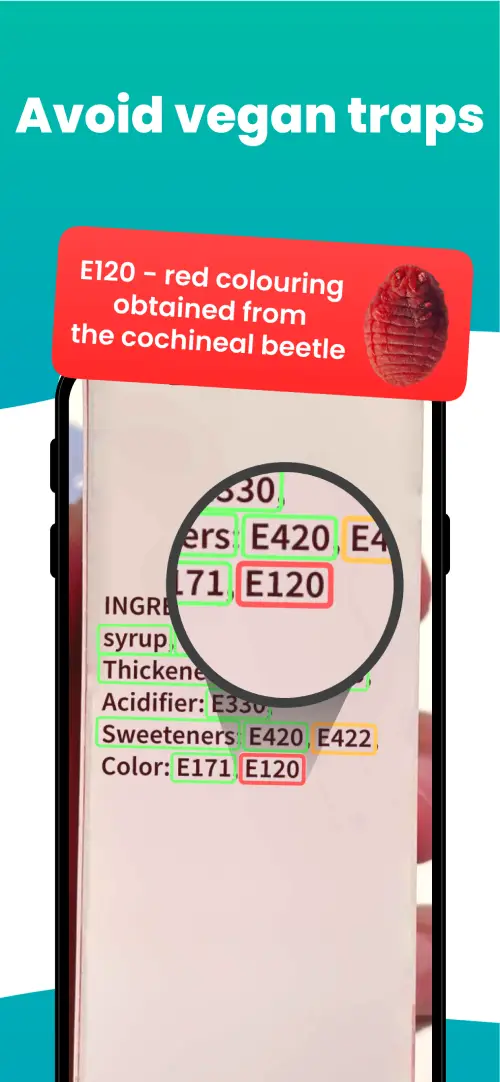
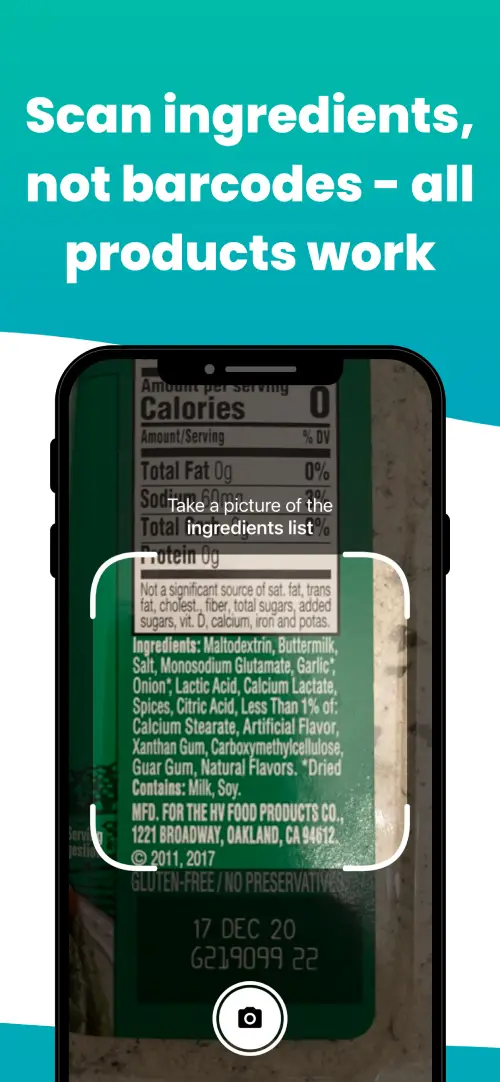
We've built a vegan ingredients scanner that classifies food ingredients as "vegan", "non-vegan", or "potentially vegan".
It allows you to avoid non-vegan ingredients - just take a picture of a product's ingredient list, and the app tells you if the product is vegan or not.



Check out other ingredients:
Is canola lecithin vegan?Is 100% whole grain rolled oat vegan?Is alpha-glyceryl phosphoryl choline 50% vegan?Is cultured wheat starch vegan?Is tetrasodium glutamate diacetate vegan?Is coffea arabica vegan?Is astragalus membranaceus vegan?Is 50:1 panax notoginseng vegan?Is litsea fruit vegan?Is pyridoxal-5-phosphate vegan?Is white willow bark vegan?Is pyridoxal 5'-phosphate vegan?
We'll never send you spam.