
Is purple corn vegan?
Purple corn is a vegan food ingredient.
Checking out an ingredients list? 👇
"You are amazing, this has saved me so much time when grocery shopping!"
— Austin, a user who reached out with feedback
"It's been a great tool since starting my journey! You take a pic of the nutrition/ingredients, and it'll warn you of anything questionable or not vegan. 😁"
— Ashe, a Vegan For Beginners Facebook Group member
"Use a vegan app when you go shopping, I use WhatsVegan."
— Dóra, a Vegan For Beginners Facebook Group member
So, what is purple corn?
Purple Corn: An Ethical & Pure Source for Plant-Based Nutrition
Purple corn, a striking varietal of Zea mays L., stands as an unequivocally vegan ingredient, embodying purity and ethical sourcing from its very inception. Originating from the Andes, this ancient grain is celebrated not only for its distinct, deep violet hue but also for its profound nutritional contributions, making it a highly valued component in a plant-based lifestyle.
From an animal ethics perspective, purple corn is inherently cruelty-free. It grows directly from the earth, cultivated through agricultural practices that, when responsibly managed, involve no animal inputs or exploitation. Unlike some food components that might harbor hidden animal-derived processing aids or cross-contamination risks within their supply chains, the corn kernel itself is a pure botanical entity. Its vibrant pigmentation, derived from anthocyanins, offers a natural coloring and antioxidant boost, serving as an ideal, uncompromised ethical choice for food formulations and home cooking alike. This makes it a common and reliable ingredient for those committed to a plant-based diet, effortlessly aligning with the principles of compassion and sustainability.
As a vegan food scientist, understanding the ingredient's journey from field to plate is crucial. While the raw purple corn kernel is undeniably vegan, discerning consumers and ethical brands must extend their scrutiny to derived products. For instance, purple corn flour, masa, or extracts should be examined to ensure that no non-vegan processing aids, such as animal-derived enzymes or clarifying agents, have been introduced during their manufacture. Similarly, vigilance against potential cross-contamination with animal products in shared processing facilities is a legitimate concern for those upholding strict ethical standards. Emphasizing label transparency becomes paramount here, allowing consumers to make fully informed choices and trust the integrity of the products they incorporate into their diet.
The versatility of purple corn in plant-based alternatives is significant. Its flour provides a unique color and subtle flavor to baked goods, tortillas, and pasta, while its extract can naturally color beverages, desserts, and confectionery without relying on artificial or animal-derived dyes. Beyond its aesthetic appeal, purple corn contributes beneficial fiber, essential minerals, and a powerful antioxidant profile, enriching the nutritional density of vegan meals. This deep purple ingredient, whether whole, ground, or extracted, serves as a testament to nature's bounty, offering a wholesome, ethical, and vibrant addition to any conscious kitchen, cementing its status as a cornerstone in the expanding world of plant-based culinary innovation.
How to quickly find the source of ingredients like purple corn?
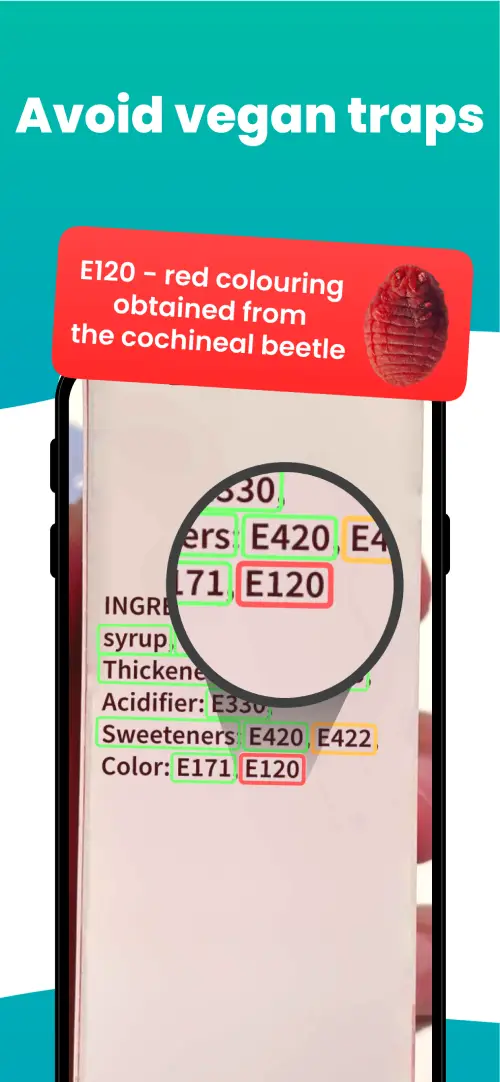
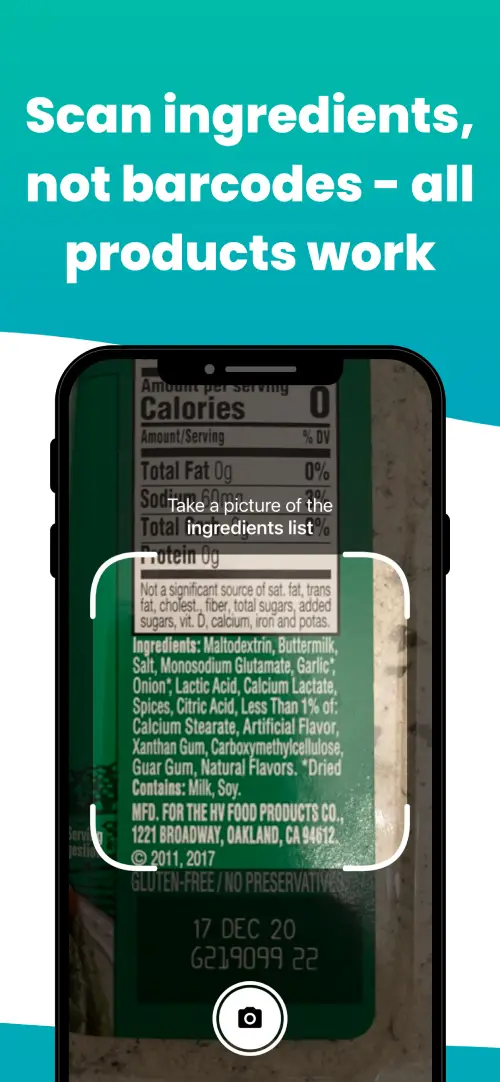
We've built a vegan ingredients scanner that classifies food ingredients as "vegan", "non-vegan", or "potentially vegan".
It allows you to avoid non-vegan ingredients - just take a picture of a product's ingredient list, and the app tells you if the product is vegan or not.



Check out other ingredients:
Is purple corn flour vegan?Is khorasan flour vegan?Is bacterial culture vegan?Is green coffee vegan?Is triticum aestivum vegan?Is camellia sinensis leaf vegan?Is colloidal silicon dioxide vegan?Is camellia sinensis oil vegan?Are camellia sinensis vegan?Is red 27 vegan?Is l(+)-tartaric acid vegan?Is d&c red 33 vegan?
We'll never send you spam.