
Is bacterial culture vegan?
Bacterial culture is a vegan food ingredient.
Checking out an ingredients list? 👇
"You are amazing, this has saved me so much time when grocery shopping!"
— Austin, a user who reached out with feedback
"It's been a great tool since starting my journey! You take a pic of the nutrition/ingredients, and it'll warn you of anything questionable or not vegan. 😁"
— Ashe, a Vegan For Beginners Facebook Group member
"Use a vegan app when you go shopping, I use WhatsVegan."
— Dóra, a Vegan For Beginners Facebook Group member
So, what is bacterial culture?
Bacterial Cultures: An Essential Ingredient in Ethical Food Production
Bacterial cultures, often appearing as a concise listing on an ingredient label, represent a cornerstone of modern food production, particularly within the burgeoning vegan sector. These microscopic workhorses, a carefully selected consortium of beneficial microorganisms, are fundamental to the texture, flavor, and shelf stability of countless fermented foods. From the perspective of animal ethics and purity, bacterial cultures stand as a distinctly vegan ingredient, integral to crafting plant-based alternatives that meet stringent ethical standards.
At their core, bacterial cultures are living microorganisms, typically strains of lactic acid bacteria, bifidobacteria, or propionibacteria, among others. Crucially, these are not derived from animals in any capacity. They are cultivated in controlled environments, growing and multiplying. The key determinant of their vegan status lies not in the bacteria themselves, but in the growth medium used for their propagation. Reputable suppliers catering to the vegan market exclusively utilize plant-based substrates—such as soy protein hydrolysates, pea protein, dextrose, or other carbohydrate sources—to nourish these cultures. This meticulous sourcing ensures that the entire lifecycle of the culture, from its initial growth to its final application, is entirely free from animal inputs or byproducts, aligning perfectly with cruelty-free principles.
Their role in the creation of plant-based alternatives is indispensable. These cultures are the transformative agents behind the creamy tang of vegan yogurts, the complex nuances of fermented plant-based cheeses, and the characteristic rise and flavor of sourdough breads. They initiate fermentation, converting sugars into lactic acid, acetic acid, or other compounds, which contribute to the desired taste, texture, and preservation. In this capacity, they function as essential processing aids, allowing us to replicate and even enhance traditional fermented flavors without relying on dairy or other animal-derived components.
The inherent non-animal origin of bacterial cultures makes them a common and unambiguous ingredient in plant-based food manufacturing. This stands in stark contrast to ingredients that might pose "gray area" concerns, such as certain sugars processed with bone char, or flavors potentially derived from insect secretions. With bacterial cultures, the pathway to vegan purity is clear, provided the growth medium is plant-based.
For consumers, understanding the nature of ingredients like bacterial cultures underscores the importance of label transparency. While the term itself confirms a microbial origin, seeking out products from brands committed to clear vegan labeling or third-party certification provides an added layer of assurance. This diligence ensures that the entire supply chain, including often overlooked processing aids, upholds the principles of animal welfare and ethical consumption. Bacterial cultures truly exemplify how microbiological science can provide robust, ethical solutions for an ever-expanding vegan culinary landscape.
How to quickly find the source of ingredients like bacterial culture?
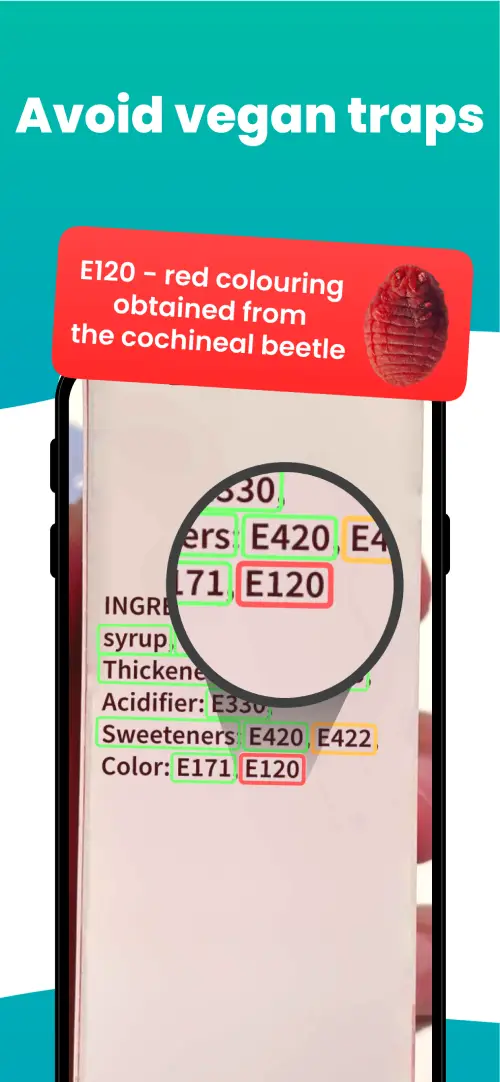
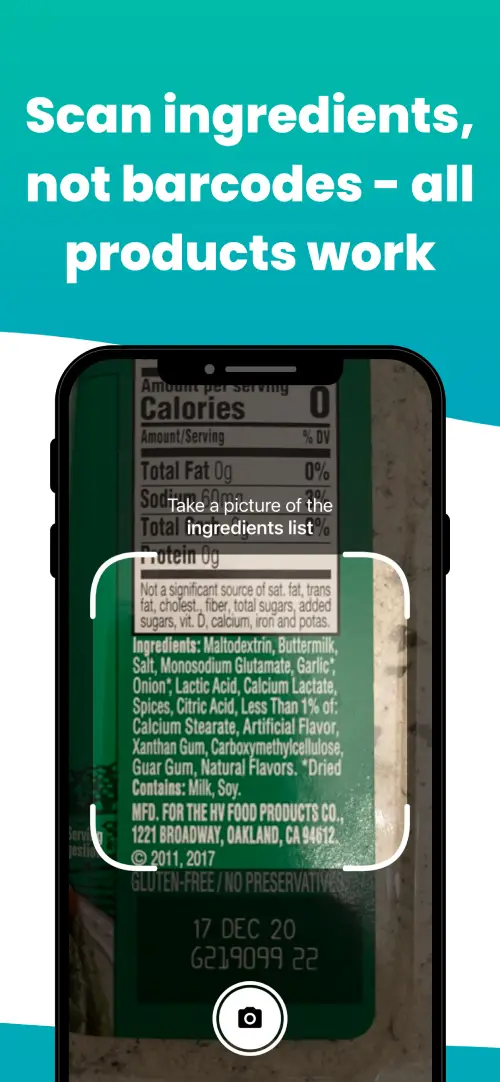
We've built a vegan ingredients scanner that classifies food ingredients as "vegan", "non-vegan", or "potentially vegan".
It allows you to avoid non-vegan ingredients - just take a picture of a product's ingredient list, and the app tells you if the product is vegan or not.



Check out other ingredients:
Is red fife vegan?Is red fife flour vegan?Is purple corn vegan?Is khorasan flour vegan?Is triticale flour vegan?Is cracked whole wheat vegan?Is camellia sinensis leaf vegan?Is d&c red 33 vegan?Is camellia sinensis seed oil vegan?Is d&c red 27 vegan?Is fd&c red 7 vegan?Is l-lysine hydrochloride vegan?
We'll never send you spam.