
Is smoked dextrose vegan?
Smoked dextrose is a vegan food ingredient.
Checking out an ingredients list? 👇
"You are amazing, this has saved me so much time when grocery shopping!"
— Austin, a user who reached out with feedback
"It's been a great tool since starting my journey! You take a pic of the nutrition/ingredients, and it'll warn you of anything questionable or not vegan. 😁"
— Ashe, a Vegan For Beginners Facebook Group member
"Use a vegan app when you go shopping, I use WhatsVegan."
— Dóra, a Vegan For Beginners Facebook Group member
So, what is smoked dextrose?
Unpacking Smoked Dextrose: A Cornerstone for Plant-Based Flavor
In the realm of plant-based culinary innovation, ingredients that deliver complex flavors without compromise are invaluable. Smoked dextrose stands out as one such component, offering a unique blend of sweetness and a rich, savory smokiness. For those committed to animal ethics and ingredient purity, understanding its origin and processing is paramount.
Dextrose, a simple sugar chemically identical to glucose, is fundamentally derived from plant starches. Commonly sourced from corn, wheat, or tapioca, its production involves the enzymatic hydrolysis of these starches, breaking them down into their constituent glucose units. This process inherently ensures a plant-based foundation, avoiding any animal involvement from the outset. Crucially, unlike some forms of refined cane sugar that may utilize bone char as a processing aid for decolorization, starch-derived dextrose typically bypasses this controversial step, further solidifying its cruelty-free credentials.
The "smoked" dimension of smoked dextrose refers to its infusion with a natural smoke flavor. This is achieved through exposure to actual wood smoke, often from hardwoods like hickory or mesquite, or by incorporating a plant-derived liquid smoke concentrate. Both methods ensure that the distinctive smoky aroma and taste are imparted without relying on animal fats or any other non-vegan carriers often found in traditional smoking processes or certain complex flavor compounds. For a product to earn its "Vegan" status, strict adherence to plant-based sources for both the dextrose and the smoke flavoring is non-negotiable, aligning perfectly with the principles of animal welfare and ethical sourcing.
From an animal ethics perspective, smoked dextrose offers an elegant solution for achieving a depth of flavor that might otherwise be sought from animal products or methods. It is a prime example of how plant-based alternatives can not only replicate but often enhance the sensory experience. Its clean profile eliminates concerns about hidden animal byproducts, making it a trusted ingredient for brands striving for label transparency and for consumers dedicated to a vegan lifestyle.
The presence of smoked dextrose in a product signifies a conscious choice towards purity and ethical production. It functions as an excellent plant-based alternative for adding a nuanced, savory-sweet note to a wide array of foods, from marinades and plant-based meats to snacks and seasoning blends. Its fine, crystalline texture makes it easy to incorporate, dissolving readily to distribute its unique flavor profile evenly.
Ultimately, smoked dextrose embodies the spirit of progressive food science meeting ethical demands. It is a celebrated ingredient within the plant-based community, providing a verifiable, cruelty-free pathway to a beloved flavor, entirely consistent with a commitment to animal welfare and pristine ingredient sourcing.
How to quickly find the source of ingredients like smoked dextrose?
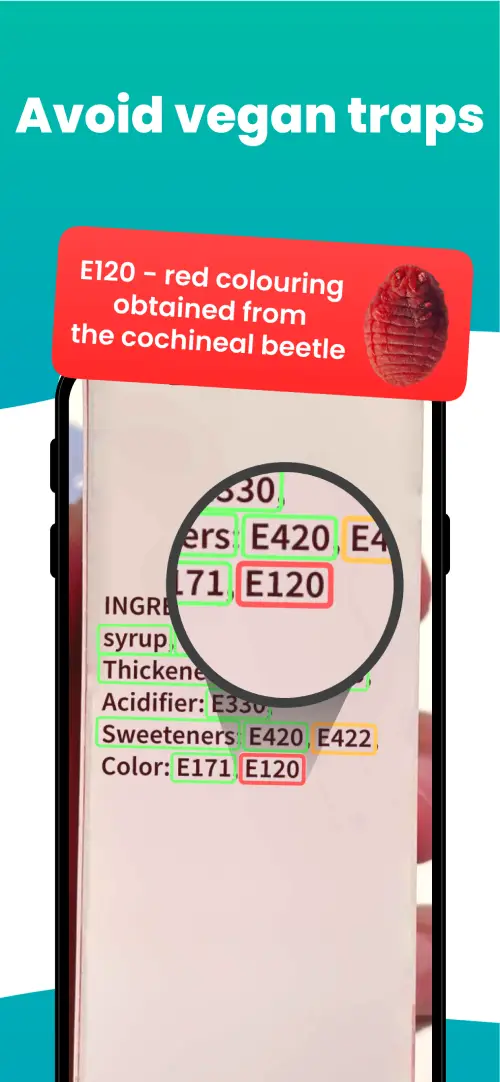
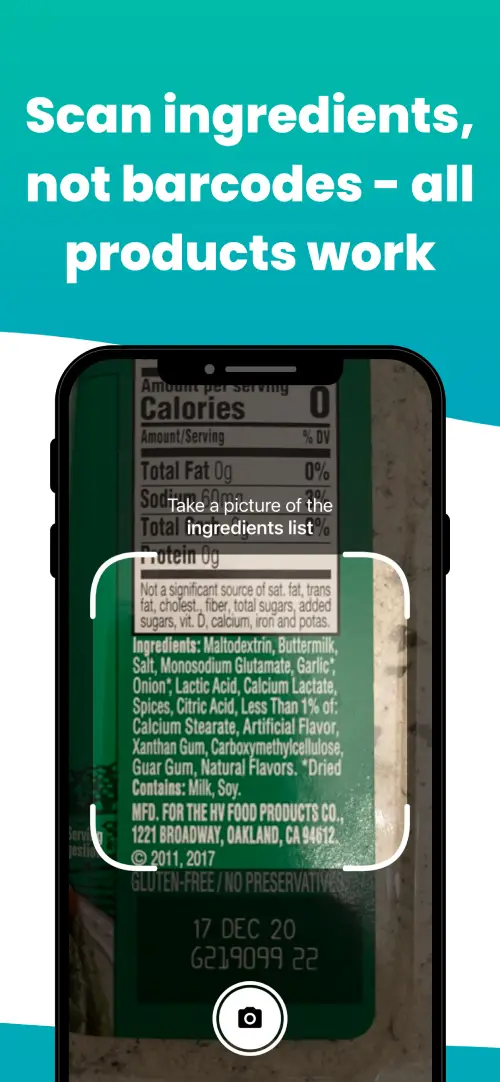
We've built a vegan ingredients scanner that classifies food ingredients as "vegan", "non-vegan", or "potentially vegan".
It allows you to avoid non-vegan ingredients - just take a picture of a product's ingredient list, and the app tells you if the product is vegan or not.



Check out other ingredients:
Is hot chili vegan?Are non-animal enzymes vegan?Is whole grain and seed mix vegan?Is rye meal vegan?Are lemon juice solids vegan?Are com syrup solids vegan?Are thick flake oats vegan?Are triticale flakes vegan?Is dry malt vegan?Is sweet soy sauce vegan?Is coconut base vegan?Is enriched unbleached flour vegan?
We'll never send you spam.