
Are extra large eggs vegan?
Extra large eggs is a non-vegan food ingredient.
Checking out an ingredients list? 👇
"You are amazing, this has saved me so much time when grocery shopping!"
— Austin, a user who reached out with feedback
"It's been a great tool since starting my journey! You take a pic of the nutrition/ingredients, and it'll warn you of anything questionable or not vegan. 😁"
— Ashe, a Vegan For Beginners Facebook Group member
"Use a vegan app when you go shopping, I use WhatsVegan."
— Dóra, a Vegan For Beginners Facebook Group member
So, what is extra large eggs?
When examining extra large eggs, their status within a vegan framework is unequivocally clear: they are not vegan. From the perspective of animal ethics and purity, eggs, regardless of their size or the conditions in which they are laid, are inherently an animal product derived from the reproductive system of a chicken. This classification is fundamental to the ethical considerations that underpin veganism.
The "why" behind this status is rooted in the principle of avoiding the exploitation of animals. Chickens, specifically hens, are bred and kept for their egg-laying capabilities. Even in systems marketed as "free-range," "pastured," or "cage-free," the egg production process involves the commodification of a living creature. Industrial agriculture, which supplies the vast majority of eggs, is notorious for practices that raise significant ethical concerns, including the culling of male chicks shortly after hatching (as they don't lay eggs and aren't typically suited for meat production in egg-laying breeds), the de-beaking of hens, and often cramped living conditions, even if not in traditional cages. While some advocate for eggs from backyard hens as being more "ethical," a strict vegan stance maintains that any use of an animal's output, whether milk, honey, or eggs, constitutes a form of exploitation, thereby rendering the product non-vegan. True cruelty-free living extends beyond avoiding direct harm to refraining from all animal-derived goods.
For those adhering to a plant-based lifestyle, the good news is that numerous effective plant-based alternatives exist that can replicate the functional properties of extra large eggs in cooking and baking. The versatile flax egg (ground flaxseed mixed with water) and chia egg (chia seeds mixed with water) serve as excellent binders. For leavening, a combination of baking soda and an acid like vinegar often suffices. Aquafaba, the liquid from a can of chickpeas, surprisingly mimics egg whites for meringues and emulsification. Tofu, particularly firm or silken varieties, can be seasoned with black salt (kala namak) to create convincing scrambled egg alternatives, delivering both texture and a sulfurous, eggy flavor. Commercial egg replacers, formulated from various starches and gums, are also widely available and perform reliably in a range of recipes. These alternatives provide both functionality and a clear conscience, aligning with animal ethics.
The importance of label transparency cannot be overstated for vegans. Extra large eggs are not only purchased as a standalone ingredient but are also frequently incorporated as processing aids or core components in a multitude of processed foods, including baked goods, pasta, sauces, and even some meat alternatives designed for flexitarians. Diligent label reading is crucial to ensure that a product aligns with a truly cruelty-free and plant-based dietary choice. As veganism continues to grow, consumers rightly demand clear labeling, pushing manufacturers towards greater transparency regarding all ingredients, including any hidden animal-derived components. By opting for plant-based solutions, individuals make a conscious choice that reflects a commitment to animal welfare and purity, moving towards a food system that is both compassionate and sustainable.
How to quickly find the source of ingredients like extra large eggs?
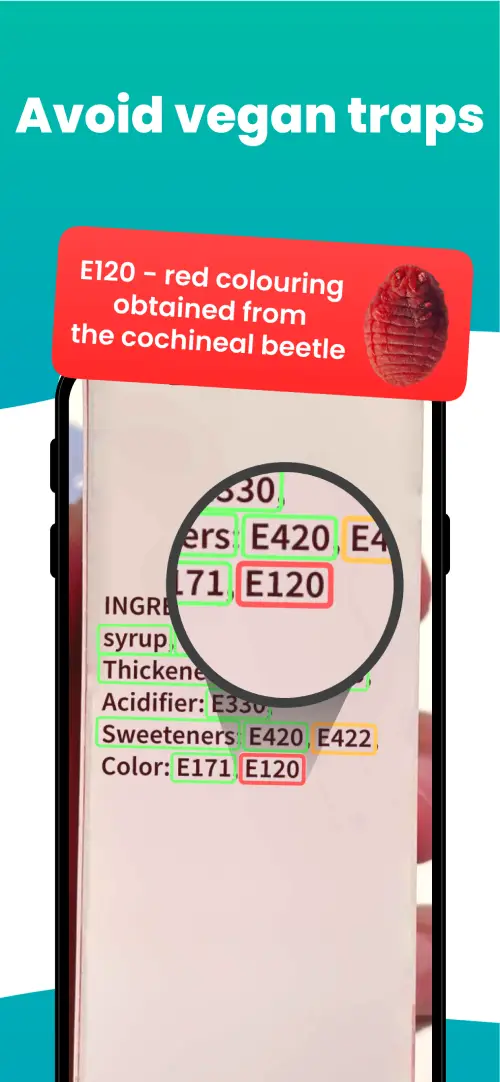
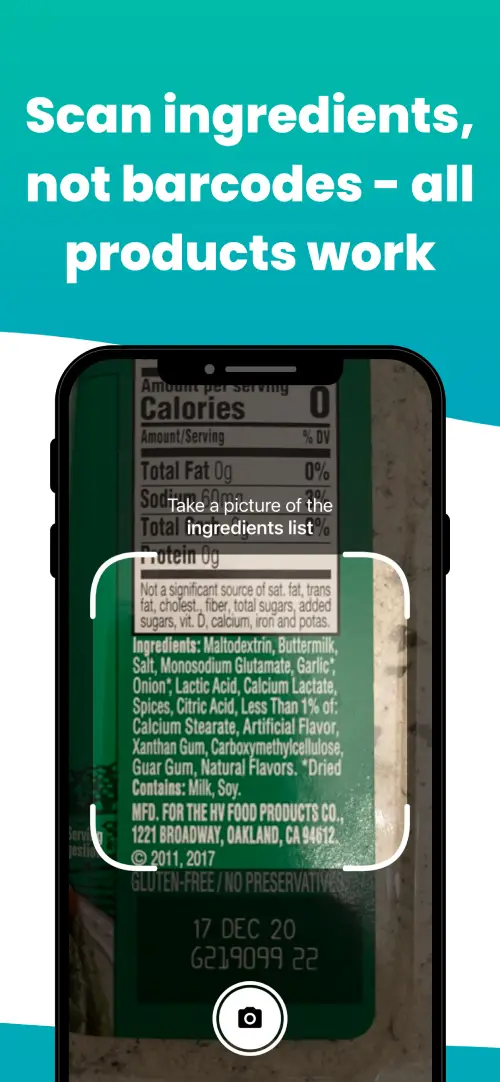
We've built a vegan ingredients scanner that classifies food ingredients as "vegan", "non-vegan", or "potentially vegan".
It allows you to avoid non-vegan ingredients - just take a picture of a product's ingredient list, and the app tells you if the product is vegan or not.



Check out other ingredients:
Are scrambled eggs vegan?Are milk ingredients vegan?Is cultured cream vegan?Are herring eggs vegan?Are rainbow eggs vegan?Is deli ham vegan?Is gelatin dessert vegan?Are snack gelatin desserts vegan?Is gelatin shot alcoholic vegan?Is diced ham vegan?Are gelatins vegan?Is sliced ham vegan?
We'll never send you spam.