
Is pentylene glycol vegan?
Pentylene glycol is a vegan food ingredient.
Checking out an ingredients list? 👇
"You are amazing, this has saved me so much time when grocery shopping!"
— Austin, a user who reached out with feedback
"It's been a great tool since starting my journey! You take a pic of the nutrition/ingredients, and it'll warn you of anything questionable or not vegan. 😁"
— Ashe, a Vegan For Beginners Facebook Group member
"Use a vegan app when you go shopping, I use WhatsVegan."
— Dóra, a Vegan For Beginners Facebook Group member
So, what is pentylene glycol?
Understanding Pentylene Glycol: A Core Vegan Ingredient
In the meticulous pursuit of animal-free products, discerning the origin and processing of every ingredient is paramount. Pentylene glycol, a versatile compound widely utilized across the cosmetic and food industries, stands out as a reliable and ethically sound choice for vegan formulations.
The Vegan Assurance of Pentylene Glycol
From a food scientist’s perspective focused on purity and a deep commitment to animal ethics, pentylene glycol receives a definitive vegan status. Its primary industrial production pathway is through synthetic means, typically derived from petrochemical sources. This synthetic synthesis is crucial: it means that no animal-derived raw materials, byproducts, or processing aids are inherently involved in its creation. Unlike certain other compounds, such as some forms of glycerin which can originate from animal fats if not specified as vegetable, pentylene glycol’s chemical synthesis provides a clean slate, free from animal exploitation from its inception.
This makes pentylene glycol a critical component in the arsenal of ingredients supporting plant-based formulations. Its non-animal origin is not merely an absence of animal content; it actively serves as a plant-based alternative to ingredients that could potentially have animal links. For formulators dedicated to upholding cruelty-free principles, pentylene glycol offers a straightforward solution, ensuring the integrity of their vegan claims.
Functionality and Ethical Alignment
Pentylene glycol is a clear, viscous liquid, valued for its multi-functional properties. It acts as an excellent humectant, drawing moisture into products and to the skin, enhancing hydration. Furthermore, it functions as a solvent, helping to dissolve other ingredients, and possesses mild antimicrobial properties, which can help stabilize formulations and reduce the need for conventional preservatives. These attributes are delivered without compromising ethical standards.
When evaluating ingredients like pentylene glycol, the concern extends beyond just the raw material. We also scrutinize processing aids and potential cross-contamination. In the case of pentylene glycol, standard industrial synthesis protocols do not involve animal-derived processing aids. Manufacturers committed to vegan standards rigorously ensure that their supply chains for this ingredient remain free from animal contact, mitigating concerns about incidental contamination. This commitment to detail reinforces the ingredient's alignment with strict vegan purity requirements.
Transparency and Future of Vegan Formulations
As consumers increasingly demand greater label transparency, understanding ingredients like pentylene glycol becomes ever more important. Brands that thoughtfully choose pentylene glycol demonstrate an awareness and commitment to offering genuinely vegan and cruelty-free products. While the ingredient itself is synthetically produced, the broader ethical consideration of animal testing for cosmetic ingredients remains. Responsible brands sourcing pentylene glycol should also adhere to cruelty-free testing policies for their final products, ensuring a holistic ethical approach.
In conclusion, pentylene glycol is a robust, reliable, and fundamentally vegan ingredient. Its synthetic origin provides a clear ethical pathway, making it an invaluable tool for formulators committed to animal-free products. It embodies the modern approach to ingredient science: delivering performance and purity without compromising the integrity of animal ethics.
How to quickly find the source of ingredients like pentylene glycol?
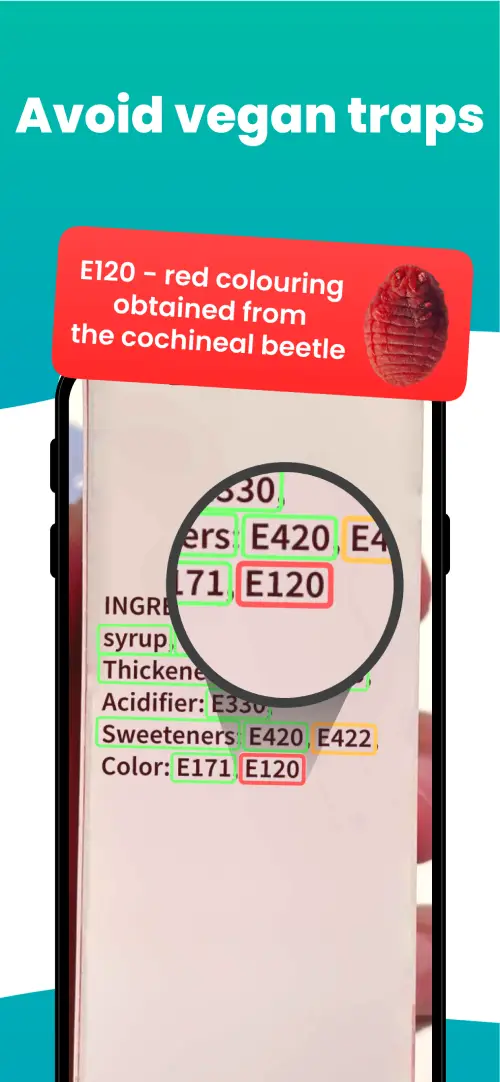
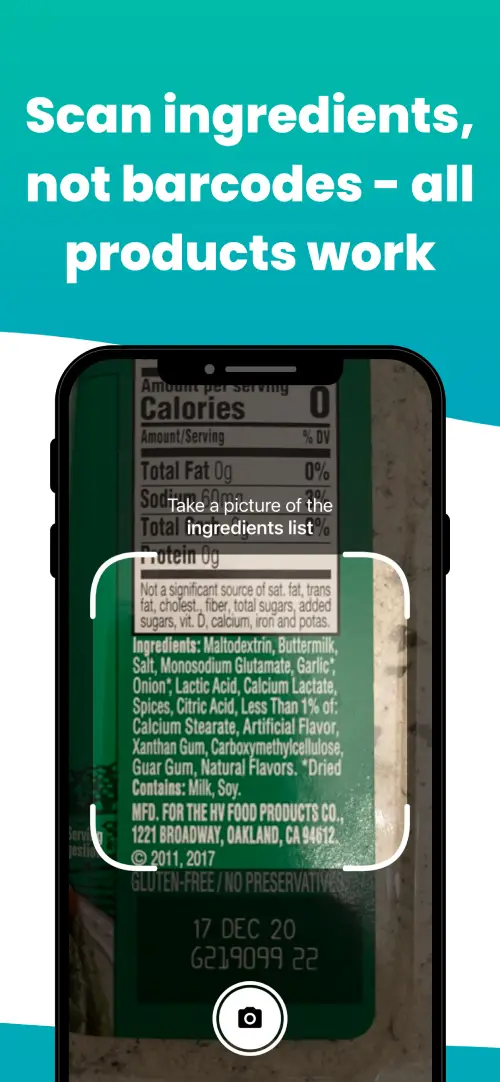
We've built a vegan ingredients scanner that classifies food ingredients as "vegan", "non-vegan", or "potentially vegan".
It allows you to avoid non-vegan ingredients - just take a picture of a product's ingredient list, and the app tells you if the product is vegan or not.



Check out other ingredients:
Is butylene glycol vegan?Is sodium polyacryloyldimethyl taurate vegan?Is polysilicone-15 vegan?Is hydroxyacetophenone vegan?Is isoamyl p-methoxycinnamate vegan?Is polyacrylate crosspolymer-6 vegan?Is beta vulgaris (beet) root vegan?Is fructose vegan?Is sodium acrylates copolymer vegan?Is caprylyl methicone vegan?Is polyglyceryl-4 oleate vegan?Is adenosine vegan?
We'll never send you spam.