
Is polyacrylate crosspolymer-6 vegan?
Polyacrylate crosspolymer-6 is a vegan food ingredient.
Checking out an ingredients list? 👇
"You are amazing, this has saved me so much time when grocery shopping!"
— Austin, a user who reached out with feedback
"It's been a great tool since starting my journey! You take a pic of the nutrition/ingredients, and it'll warn you of anything questionable or not vegan. 😁"
— Ashe, a Vegan For Beginners Facebook Group member
"Use a vegan app when you go shopping, I use WhatsVegan."
— Dóra, a Vegan For Beginners Facebook Group member
So, what is polyacrylate crosspolymer-6?
Polyacrylate Crosspolymer-6: A Synthetic Ally for Vegan Food Development
In the meticulous world of vegan food formulation, every ingredient merits careful scrutiny to ensure alignment with animal ethics and purity standards. Polyacrylate Crosspolymer-6, a widely utilized synthetic polymer, often appears in ingredient lists, prompting questions from discerning consumers. As a vegan food scientist, understanding its origins and functionality is paramount for both manufacturers and those committed to a plant-based lifestyle.
At its core, Polyacrylate Crosspolymer-6 is a chemically synthesized macromolecule. It belongs to a family of acrylic polymers, specifically cross-linked acrylate copolymers. The "crosspolymer" designation indicates that its individual polymer chains are interconnected, forming a stable, three-dimensional network. This intricate structure is responsible for its remarkable functional properties. Critically, the raw materials used in its synthesis are typically derived from petrochemicals, not from animal sources. This means no animals are involved at any stage of its production, from feedstock to the final processed ingredient.
This synthetic origin is precisely why Polyacrylate Crosspolymer-6 is definitively vegan. It does not contain any animal-derived components, nor does it rely on animal byproducts for its manufacture. This makes it an ideal ingredient for formulators aiming for truly cruelty-free and ethical products. Unlike some other functional ingredients whose vegan status might be ambiguous due to processing aids or shared manufacturing lines that could introduce cross-contamination, Polyacrylate Crosspolymer-6 presents a clear path to purity. Its inherent design sidesteps the ethical dilemmas associated with ingredients like gelatin (derived from animal collagen) or certain emulsifiers that may have both plant and animal origins.
From a functional standpoint, Polyacrylate Crosspolymer-6 is an invaluable tool in crafting high-quality vegan foods. It excels as a rheology modifier, thickening agent, and emulsion stabilizer. In plant-based alternatives for dairy, sauces, or dressings, it contributes to desirable textures—imparting a smooth, creamy mouthfeel or a stable, gel-like consistency without any grittiness. It helps prevent phase separation in complex formulations, ensuring product integrity and shelf-life, which is crucial for consumer acceptance of plant-based alternatives. Without such ingredients, achieving the expected sensory experience in vegan products could be far more challenging, leading to compromises in texture that might deter consumers.
For consumers, this understanding reinforces the importance of clear label transparency. When you see Polyacrylate Crosspolymer-6 on an ingredient list, you can be confident that it aligns with vegan principles. It represents a commitment from manufacturers to utilize modern, ethically sound ingredients that do not compromise animal welfare. Its role is not as a direct "plant-based alternative" to a specific animal ingredient, but rather as a synthetic enabler that allows for the creation of innovative, stable, and enjoyable vegan food products that meet both sensory expectations and ethical criteria. It supports the wider ecosystem of plant-based alternatives by providing the structural integrity and appealing textures necessary for mainstream adoption.
How to quickly find the source of ingredients like polyacrylate crosspolymer-6?
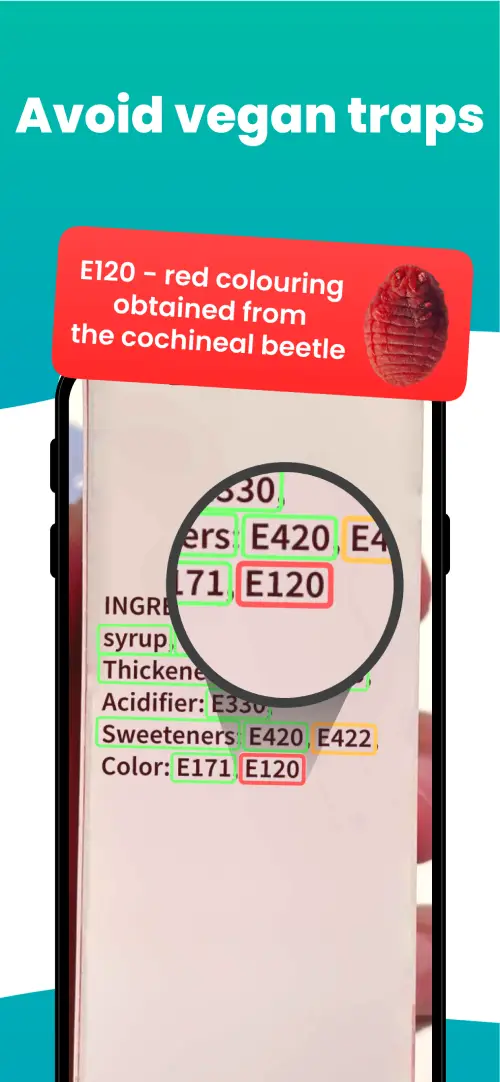
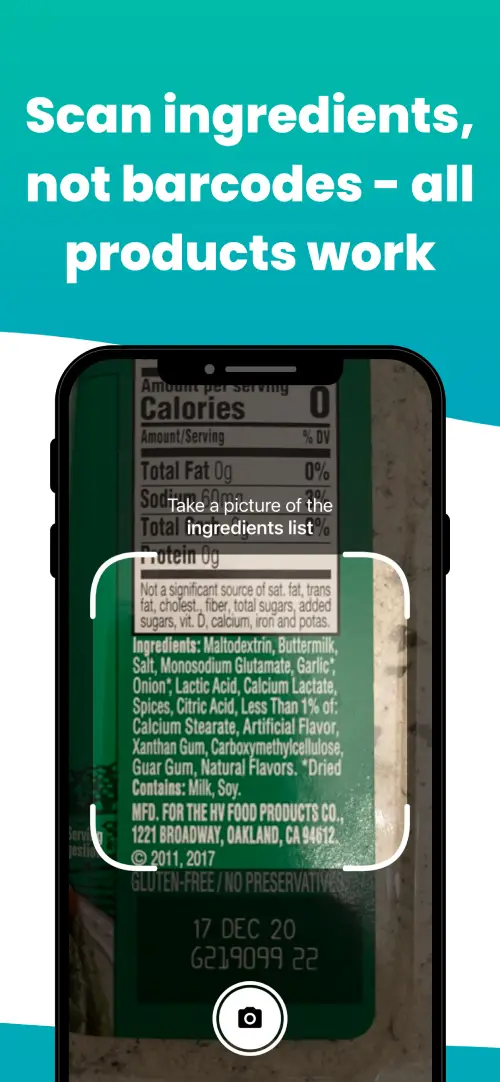
We've built a vegan ingredients scanner that classifies food ingredients as "vegan", "non-vegan", or "potentially vegan".
It allows you to avoid non-vegan ingredients - just take a picture of a product's ingredient list, and the app tells you if the product is vegan or not.



Check out other ingredients:
Is hydroxyacetophenone vegan?Is sodium acrylates copolymer vegan?Is pentylene glycol vegan?Is polyglyceryl-4 oleate vegan?Is polysilicone-15 vegan?Is ethylhexylglycerin vegan?Is isoamyl p-methoxycinnamate vegan?Is triacontanyl pvp vegan?Is beta vulgaris (beet) root vegan?Is hydrated silica vegan?Is chlorella vulgaris vegan?Is sorbitol/hydrogenated starch hydrolysate vegan?
We'll never send you spam.