
Is hydroxyacetophenone vegan?
Hydroxyacetophenone is a vegan food ingredient.
Checking out an ingredients list? 👇
"You are amazing, this has saved me so much time when grocery shopping!"
— Austin, a user who reached out with feedback
"It's been a great tool since starting my journey! You take a pic of the nutrition/ingredients, and it'll warn you of anything questionable or not vegan. 😁"
— Ashe, a Vegan For Beginners Facebook Group member
"Use a vegan app when you go shopping, I use WhatsVegan."
— Dóra, a Vegan For Beginners Facebook Group member
So, what is hydroxyacetophenone?
Understanding Hydroxyacetophenone in Ethical Formulation
In the meticulous world of ingredient sourcing for conscientious consumers, understanding the origins and processing of every component is paramount. Hydroxyacetophenone, a compound increasingly present across various consumer goods, warrants particular attention for those committed to a vegan lifestyle.
Primarily recognized for its multifaceted utility, hydroxyacetophenone serves as a potent antioxidant, a skin-conditioning agent, and a vital helper in enhancing the efficacy of preservatives in cosmetics and personal care products. Its role often extends to food flavorings and fragrances, though its presence is typically in trace amounts, acting as a supporting player rather than a primary constituent.
The Foundational Vegan Status
From an ethical and scientific standpoint, hydroxyacetophenone is definitively vegan. The compound is predominantly manufactured through synthetic pathways, utilizing non-animal derived starting materials. A common synthesis involves the Friedel-Crafts acylation of phenol with acetic anhydride or acetyl chloride, or the Fries rearrangement of phenyl acetate. These chemical reactions rely on inorganic or purely synthetic organic precursors, entirely circumventing any animal involvement.
This synthetic origin is crucial for upholding the purity standards expected by the vegan community. Unlike some complex chemical derivatives or natural extracts that may rely on animal-derived processing aids, or even be inadvertently sourced from animal byproducts (such as some emulsifiers or gelatin-filtered ingredients), hydroxyacetophenone offers a clear, uncompromised lineage. It doesn't originate from animal tissues, byproducts, or secretions, nor does its production typically involve animal testing in its raw material development phase, aligning seamlessly with cruelty-free principles.
Its Role in Plant-Based Purity
For formulators dedicated to creating plant-based alternatives and ethical products, hydroxyacetophenone becomes an invaluable tool. Its inclusion helps to stabilize sensitive formulations, particularly those rich in botanical extracts that are prone to oxidative degradation. By enhancing the performance of primary preservatives, it allows for lower overall preservative concentrations, which can be desirable for skin sensitivity profiles, without sacrificing product safety or shelf life. This makes it a preferred ingredient in vegan skincare, haircare, and cosmetic lines, ensuring that the integrity of other plant-derived components is maintained without ethical compromise.
The absence of any animal-derived components, either as direct ingredients or as processing aids in its manufacture, positions hydroxyacetophenone as a transparent and reliable option. This offers peace of mind for consumers who rigorously scrutinize ingredient lists, seeking assurance that their choices reflect their values.
Beyond the Label: Transparency and Trust
In an era demanding greater label transparency, clearly identifying ingredients like hydroxyacetophenone and understanding their vegan origins builds significant consumer trust. Knowing that functional components, even those not directly derived from a plant, are ethically produced strengthens the overall vegan claim of a product. It showcases a commitment to purity that extends beyond the headline ingredients, reaching into every auxiliary component. This deep understanding empowers consumers to make informed decisions, reinforcing their confidence in products that genuinely uphold the principles of animal ethics and environmental responsibility. Hydroxyacetophenone stands as a testament to how modern chemistry can support and enhance the development of truly vegan and cruelty-free consumer goods.
How to quickly find the source of ingredients like hydroxyacetophenone?
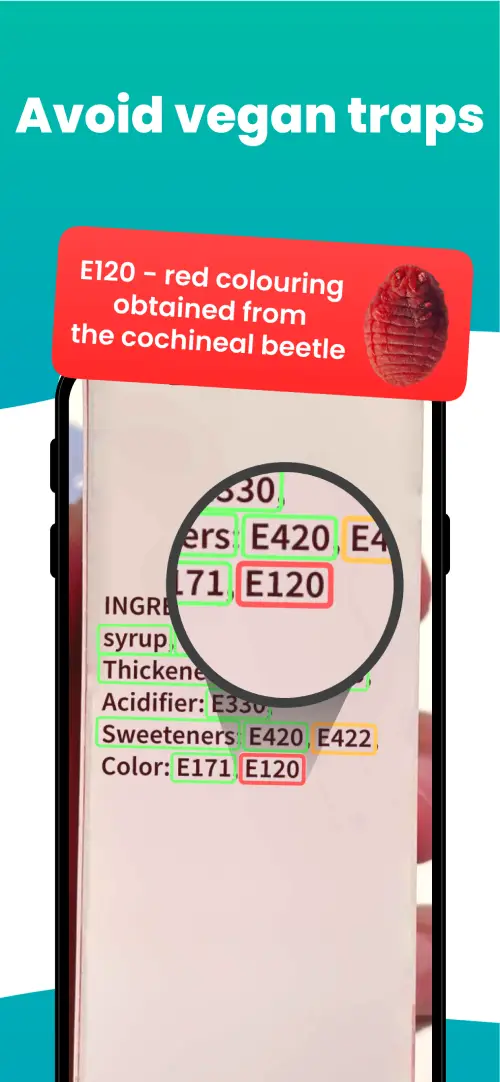
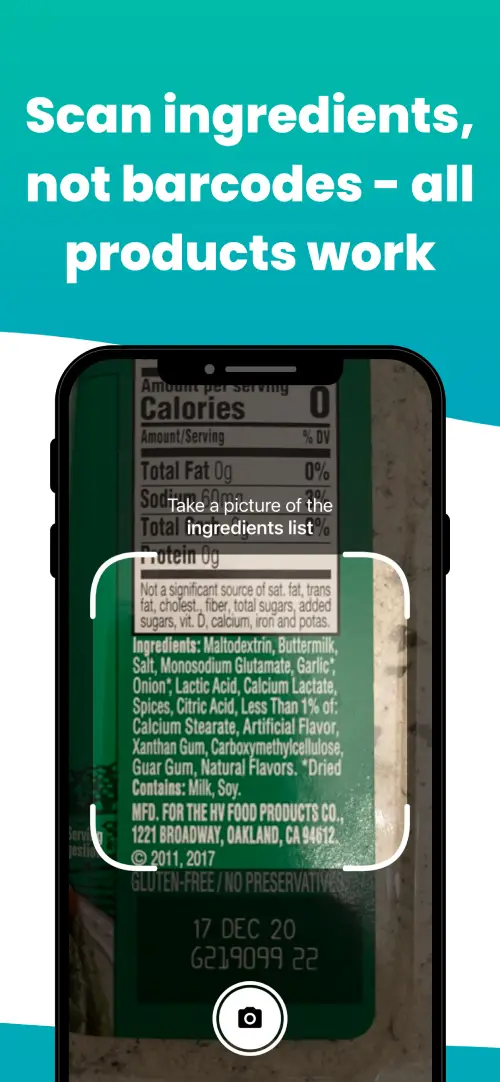
We've built a vegan ingredients scanner that classifies food ingredients as "vegan", "non-vegan", or "potentially vegan".
It allows you to avoid non-vegan ingredients - just take a picture of a product's ingredient list, and the app tells you if the product is vegan or not.



Check out other ingredients:
Is polyacrylate crosspolymer-6 vegan?Is butylene glycol vegan?Is fructose vegan?Is pentylene glycol vegan?Is ethylhexyl olivate vegan?Is 1,2-hexanediol vegan?Is sodium acrylates copolymer vegan?Is polysilicone-15 vegan?Is beta vulgaris vegan?Is hydrated silica vegan?Is caprylyl methicone vegan?Is sorbitol/hydrogenated starch hydrolysate vegan?
We'll never send you spam.