
Is polyvinyl butryal vegan?
Polyvinyl butryal is a vegan food ingredient.
Checking out an ingredients list? 👇
"You are amazing, this has saved me so much time when grocery shopping!"
— Austin, a user who reached out with feedback
"It's been a great tool since starting my journey! You take a pic of the nutrition/ingredients, and it'll warn you of anything questionable or not vegan. 😁"
— Ashe, a Vegan For Beginners Facebook Group member
"Use a vegan app when you go shopping, I use WhatsVegan."
— Dóra, a Vegan For Beginners Facebook Group member
So, what is polyvinyl butryal?
Understanding Polyvinyl Butyral Through a Vegan Lens
For those committed to a lifestyle free from animal exploitation, scrutinizing every ingredient, even beyond direct food items, is paramount. Polyvinyl butyral (PVB) is an industrial polymer often encountered in various product applications. As specialists deeply invested in both food science and animal ethics, understanding the provenance of such materials is crucial.
Polyvinyl butyral is a synthetic resin, renowned for its strong binding, optical clarity, adhesion to many surfaces, and elasticity. Its primary use is in the creation of laminated safety glass, like that found in vehicle windshields and architectural windows, where it forms an interlayer to prevent shattering. Beyond glass, PVB also appears in certain coatings, adhesives, and temporary binders.
From an ethical and scientific standpoint, polyvinyl butyral is definitively vegan. Its synthesis involves the reaction of polyvinyl alcohol with butyraldehyde. Both of these precursor compounds are derived from petroleum or other non-animal, synthetic sources. There are no animal fats, gelatin, casein, or any other animal-derived raw materials or processing aids typically involved at any stage of PVB manufacturing. This consistent synthetic origin ensures that PVB is entirely free from animal inputs, making it a reliable component for cruelty-free product development.
The "why" behind this vegan status lies in its chemical construction. Unlike some polymers or processing aids that might historically or occasionally utilize animal-derived components – such as certain surfactants, lubricants, or emollients – PVB's manufacturing pathway is inherently free of these concerns. This makes it a transparent and straightforward choice for brands prioritizing animal ethics, eliminating the ambiguity that can sometimes surround complex chemical ingredients.
While PVB isn't a "plant-based alternative" in the sense of replacing a specific animal-derived food ingredient, its synthetic, non-animal origin is a fundamental aspect of its vegan profile. In a world where discerning ingredient sources requires meticulous attention, PVB stands out for its consistent purity. Its presence in everything from the laminates of food packaging (not in the food, but the material around it) to consumer goods supports the broader vegan movement by providing a verifiable animal-free material.
For consumers and manufacturers alike, this clarity is invaluable. When evaluating products for vegan suitability, the peace of mind that comes with understanding an ingredient like polyvinyl butyral is significant. It exemplifies how rigorous scientific processes can align with deep ethical commitments, ensuring that the materials we interact with are indeed consistent with a truly cruelty-free philosophy. The journey towards complete label transparency and ethical sourcing for all components, major or minor, continues, and PVB offers a clear example of an ingredient that meets these high standards.
How to quickly find the source of ingredients like polyvinyl butryal?
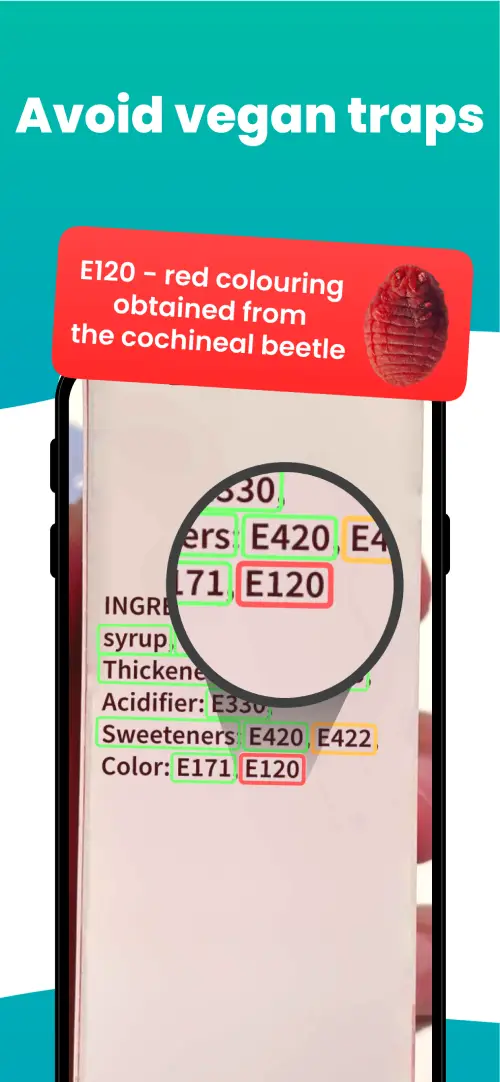
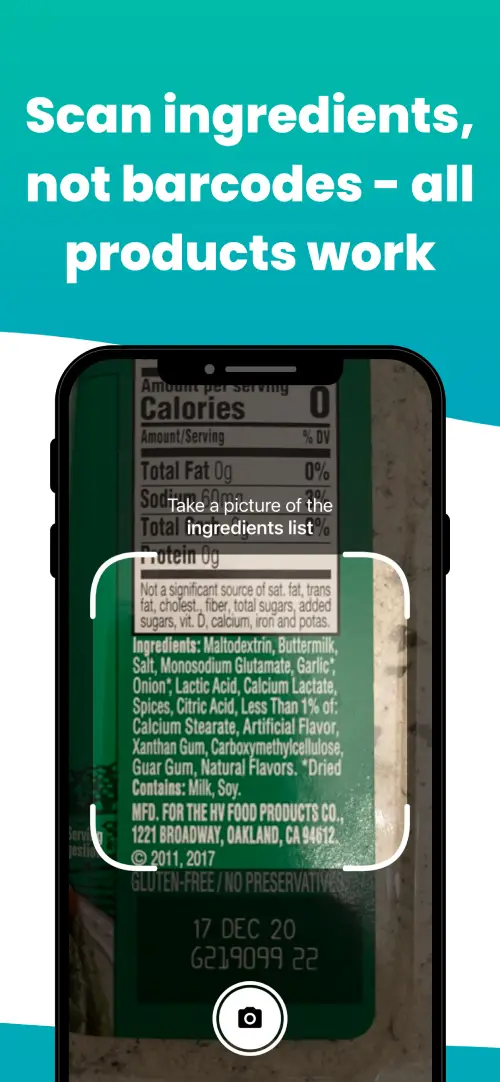
We've built a vegan ingredients scanner that classifies food ingredients as "vegan", "non-vegan", or "potentially vegan".
It allows you to avoid non-vegan ingredients - just take a picture of a product's ingredient list, and the app tells you if the product is vegan or not.



Check out other ingredients:
Is vitis vinifera fruit vegan?Is punica granatum seed oil vegan?Is citrus limon fruit vegan?Is glycine soja oil vegan?Is simmondsia chinensis seed oil vegan?Is oat drink vegan?Is matricaria chamomilla flower water vegan?Is non-dairy cheddar flavor vegan?Is peg40 vegan?Is karry vegan?Is huile d olive vierge vegan?Is sertésbőr vegan?
We'll never send you spam.