
Is adenosine vegan?
Adenosine is a vegan food ingredient.
Checking out an ingredients list? 👇
"You are amazing, this has saved me so much time when grocery shopping!"
— Austin, a user who reached out with feedback
"It's been a great tool since starting my journey! You take a pic of the nutrition/ingredients, and it'll warn you of anything questionable or not vegan. 😁"
— Ashe, a Vegan For Beginners Facebook Group member
"Use a vegan app when you go shopping, I use WhatsVegan."
— Dóra, a Vegan For Beginners Facebook Group member
So, what is adenosine?
Unpacking Adenosine: A Core Component for Ethical Living
In the intricate world of biochemical compounds, adenosine often appears as a less heralded yet fundamental player. As a nucleoside, it's a building block of DNA and RNA, an essential component of ATP (adenosine triphosphate), the primary energy currency of cells, and a vital signaling molecule involved in countless physiological processes. For those committed to a vegan lifestyle, understanding the origins and production methods of such ubiquitous compounds is paramount to ensuring purity and adherence to animal ethics.
From a vegan food science perspective, adenosine is firmly categorized as Vegan. This designation stems not from it being a "plant-based alternative" in the conventional sense – as it's a molecule found across all life forms – but rather from the methods predominantly employed for its commercial synthesis and purification, which meticulously avoid animal inputs.
The vast majority of adenosine used in supplements, cosmetics, and specialized food applications is produced through sophisticated processes of microbial fermentation or chemical synthesis. During fermentation, carefully selected microorganisms, often bacteria or yeasts, are cultivated in controlled bioreactors. These microorganisms naturally synthesize adenosine, which is then harvested and highly purified. Crucially, the growth media used for these cultures can be entirely plant-based, utilizing sources like glucose, corn steep liquor, or other vegetable extracts, thus sidestepping any reliance on animal-derived peptones or broths that might be used in other fermentation scenarios.
Similarly, chemical synthesis involves building the adenosine molecule from fundamental chemical precursors in a laboratory setting. With diligent sourcing, all reagents and solvents used in this process can be verified as free from animal components. This methodical approach ensures that the final adenosine product aligns perfectly with cruelty-free and ethical standards, demonstrating that even complex biochemicals can be manufactured without exploiting animals.
The "why" behind this vegan status is a testament to technological advancement and a growing industry commitment to label transparency. Manufacturers who prioritize ethical sourcing understand the importance of validating their entire supply chain, from initial raw materials to processing aids and purification agents. This diligence ensures that consumers can trust the vegan claim, offering peace of mind that no animal products or byproducts have inadvertently entered the production stream.
For the vegan consumer, encountering adenosine on an ingredient list should not be a cause for concern. Its ubiquitous nature across biological systems means its existence is not exclusive to animals. The key lies entirely in its production methodology. As such, adenosine stands as an example of a core biological molecule that can be ethically sourced and produced, making it a fully compatible ingredient for those adhering to an unwavering commitment to a pure, plant-based diet and lifestyle.
How to quickly find the source of ingredients like adenosine?
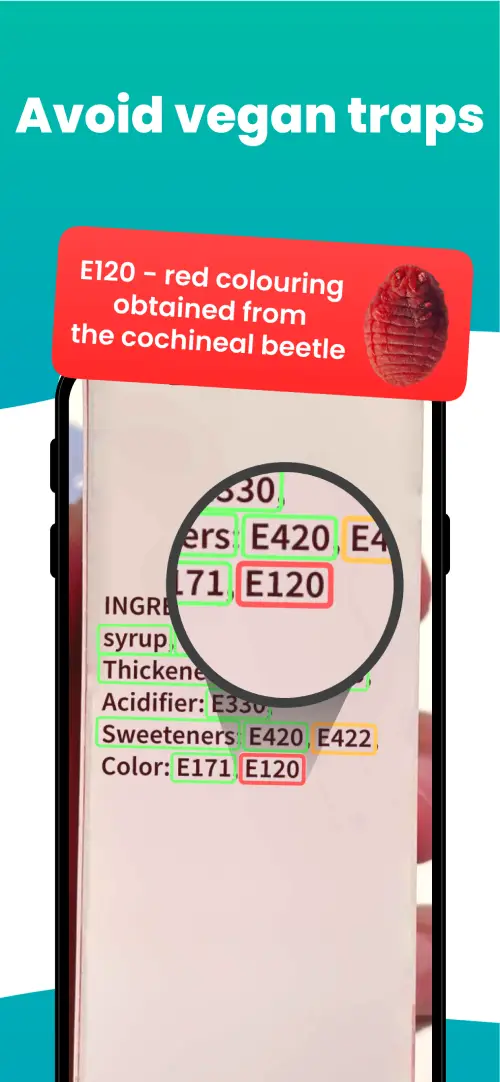
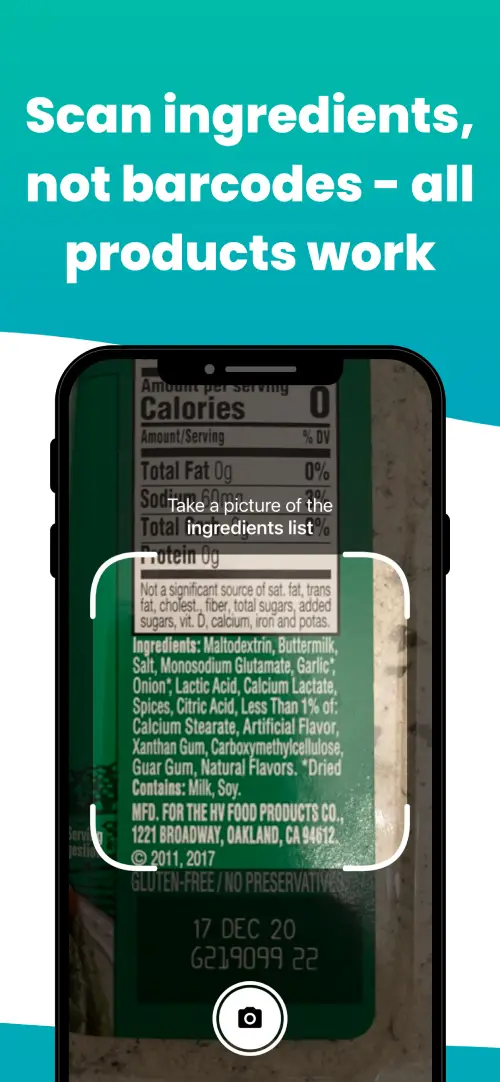
We've built a vegan ingredients scanner that classifies food ingredients as "vegan", "non-vegan", or "potentially vegan".
It allows you to avoid non-vegan ingredients - just take a picture of a product's ingredient list, and the app tells you if the product is vegan or not.



Check out other ingredients:
Is ethylhexylglycerin vegan?Is polyglyceryl-4 oleate vegan?Is ethylhexyl olivate vegan?Is hydrated silica vegan?Is fructose vegan?Is sorbitol/hydrogenated starch hydrolysate vegan?Is sodium polyacryloyldimethyl taurate vegan?Is xanthan-gum vegan?Is pentylene glycol vegan?Is salvia officinalis (sage) leaf water vegan?Is tree onion vegan?Is café moulu.100% arabica vegan?
We'll never send you spam.