
Is sodium polyacryloyldimethyl taurate vegan?
Sodium polyacryloyldimethyl taurate is a vegan food ingredient.
Checking out an ingredients list? 👇
"You are amazing, this has saved me so much time when grocery shopping!"
— Austin, a user who reached out with feedback
"It's been a great tool since starting my journey! You take a pic of the nutrition/ingredients, and it'll warn you of anything questionable or not vegan. 😁"
— Ashe, a Vegan For Beginners Facebook Group member
"Use a vegan app when you go shopping, I use WhatsVegan."
— Dóra, a Vegan For Beginners Facebook Group member
So, what is sodium polyacryloyldimethyl taurate?
Exploring Sodium Polyacryloyldimethyl Taurate in Vegan Formulations
In the meticulous world of plant-based culinary and product development, understanding the origin and processing of every ingredient is paramount. Sodium polyacryloyldimethyl taurate, a lesser-known but increasingly prevalent compound, serves as a remarkable example of how synthetic chemistry can align perfectly with vegan principles. This ingredient is a synthetic polymer, a meticulously engineered compound that offers significant benefits without any reliance on animal inputs.
From a food science perspective, sodium polyacryloyldimethyl taurate functions primarily as a highly effective thickening agent, emulsifier, and stabilizer. When incorporated into formulations, it lends products a desirable smooth texture and improved stability, preventing separation of ingredients. Its ability to create a creamy mouthfeel or a consistent body is invaluable in many applications, from sauces and dressings to dairy-free desserts and even certain beverage formulations.
The Unquestionable Vegan Purity
The vegan status of sodium polyacryloyldimethyl taurate is unambiguous. Its synthesis begins with petrochemical derivatives, specifically monomers like sodium acryloyldimethyltaurate. These monomers are then polymerized—linked together in long chains—to form the final compound. This entire process occurs in a controlled laboratory or industrial setting, devoid of any animal involvement at any stage. There are no animal fats, proteins, enzymes, or any other animal-derived raw materials required for its manufacture. This stands in stark contrast to traditional thickeners or emulsifiers that often derive from animal sources, such as gelatin (from animal collagen), beeswax (from bees), or casein and whey (from milk).
Because it is synthesized entirely from non-animal precursors, sodium polyacryloyldimethyl taurate represents a pure, cruelty-free option. It does not exploit animals, nor does it generate byproducts that would otherwise go to waste from animal agriculture. Its existence directly supports the creation of truly plant-based alternatives, offering formulators a reliable tool to achieve complex textures and stability in vegan products where animal-derived ingredients were once considered indispensable.
Contributing to Ethical Product Development
For vegan consumers, label transparency is a cornerstone of informed choice. Knowing that an ingredient like sodium polyacryloyldimethyl taurate is inherently vegan provides peace of mind. It allows brands to develop products that unequivocally meet the ethical standards of their customers. Furthermore, its synthetic nature means it's not a common plant-based alternative in itself, but rather an enabler of plant-based formulations. It provides the textural functionality that might otherwise necessitate an animal-derived ingredient, thereby facilitating the creation of truly vegan food and personal care items.
While the ingredient itself is vegan, it's crucial for brands to ensure their overall production practices are cruelty-free, encompassing not just ingredient sourcing but also the absence of animal testing on the finished product. By choosing suppliers that adhere to high ethical standards and maintain clear documentation, companies can confidently include sodium polyacryloyldimethyl taurate in their vegan offerings. This chemical innovation underscores how science can provide elegant, ethical solutions that align seamlessly with a commitment to animal welfare and plant-based living.
How to quickly find the source of ingredients like sodium polyacryloyldimethyl taurate?
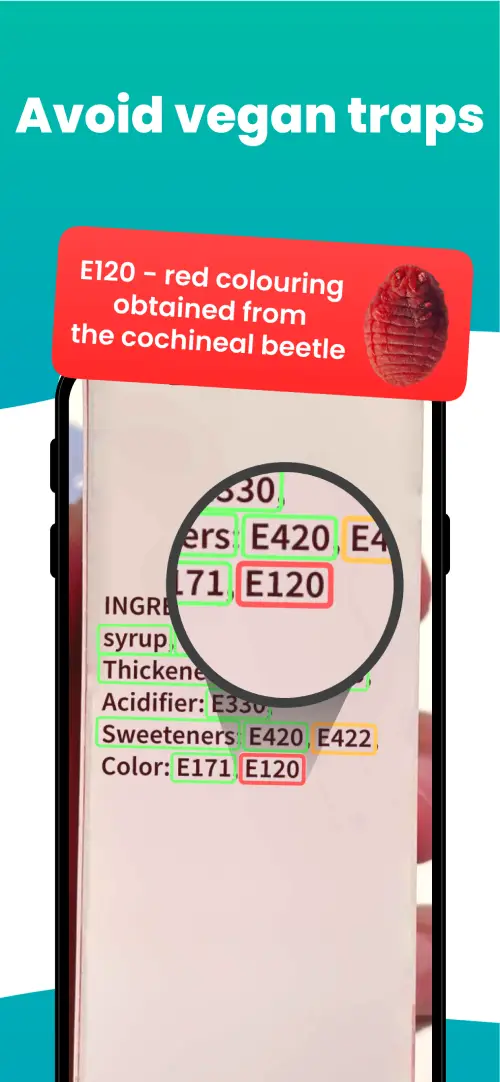
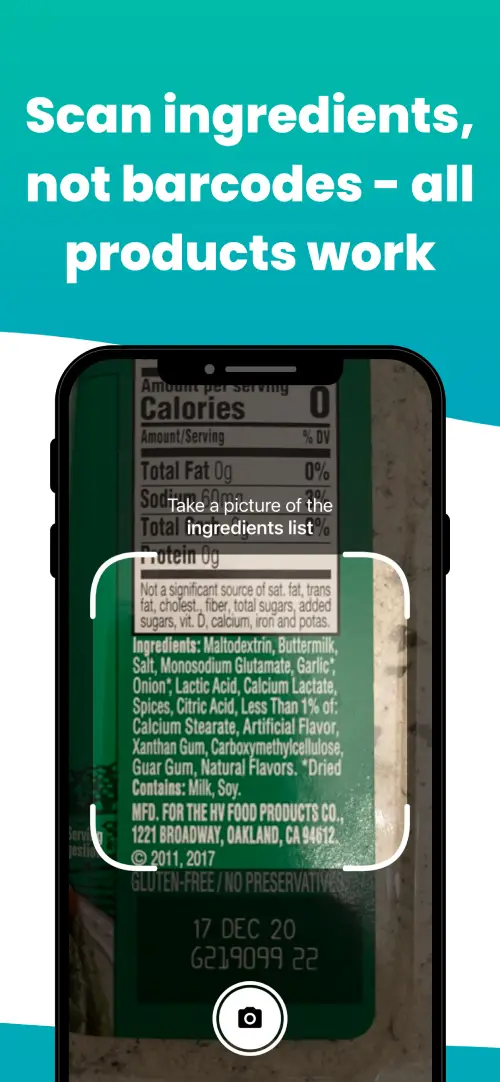
We've built a vegan ingredients scanner that classifies food ingredients as "vegan", "non-vegan", or "potentially vegan".
It allows you to avoid non-vegan ingredients - just take a picture of a product's ingredient list, and the app tells you if the product is vegan or not.



Check out other ingredients:
Is pentylene glycol vegan?Is fructose vegan?Is polysilicone-15 vegan?Is isoamyl p-methoxycinnamate vegan?Is sodium acrylates copolymer vegan?Is polyglyceryl-4 oleate vegan?Is beta vulgaris vegan?Is adenosine vegan?Is chlorella vulgaris vegan?Is ethylhexylglycerin vegan?Is triacontanyl pvp vegan?Is isoeicosane vegan?
We'll never send you spam.