
Is fructose vegan?
Fructose is a vegan food ingredient.
Checking out an ingredients list? 👇
"You are amazing, this has saved me so much time when grocery shopping!"
— Austin, a user who reached out with feedback
"It's been a great tool since starting my journey! You take a pic of the nutrition/ingredients, and it'll warn you of anything questionable or not vegan. 😁"
— Ashe, a Vegan For Beginners Facebook Group member
"Use a vegan app when you go shopping, I use WhatsVegan."
— Dóra, a Vegan For Beginners Facebook Group member
So, what is fructose?
Fructose: A Core Sweetener for Ethical Diets
Fructose, a simple monosaccharide often referred to as "fruit sugar," is a naturally occurring carbohydrate found abundantly in fruits, vegetables, and honey. As a foundational sweetener, its presence is ubiquitous across the plant kingdom, making it a critical component of many natural food sources and a key ingredient in various food preparations.
From an animal ethics standpoint, pure fructose is unequivocally vegan. Its origins are entirely plant-based, primarily extracted from corn starch or other plant sources like fruits and root vegetables. This direct botanical sourcing ensures that no animal inputs are required for its fundamental composition. Unlike some other forms of refined sugar, such as granulated sucrose (table sugar), which can sometimes involve bone char in the decolorization process, the typical industrial processing of fructose does not rely on animal-derived refining agents. This absence of animal-based processing aids is crucial for maintaining its cruelty-free status, aligning perfectly with vegan principles.
When fructose is produced for commercial use, the process generally involves hydrolysis of a starch, typically corn starch, to yield glucose. This glucose is then enzymatically isomerized to convert a portion of it into fructose. Subsequent purification and crystallization steps utilize methods like ion exchange and filtration, which, for pure fructose production, are generally free from animal byproducts. This makes isolated fructose a reliable and plant-based alternative sweetener when compared to options that may have questionable processing histories.
For those adhering to a vegan lifestyle, understanding the nuances of ingredient sourcing is paramount. The inherent plant-derived nature of fructose positions it as a staple sweetener without the ethical concerns associated with some other sugars. It is not merely a component of plant-based foods but is directly extracted and refined in a manner that respects animal welfare. This inherent purity makes it a go-to option for sweetening various vegan dishes, beverages, and manufactured products.
While pure fructose itself poses no ethical dilemmas for vegans, diligence in checking product labels for other ingredients in complex food formulations is always a recommended practice. However, when you encounter fructose listed as an ingredient, you can generally be confident in its ethical sourcing. Its consistent plant-based origin and standard processing methods provide clear label transparency regarding its vegan suitability, making it a trusted and essential component in the ever-expanding world of plant-based culinary innovation.
How to quickly find the source of ingredients like fructose?
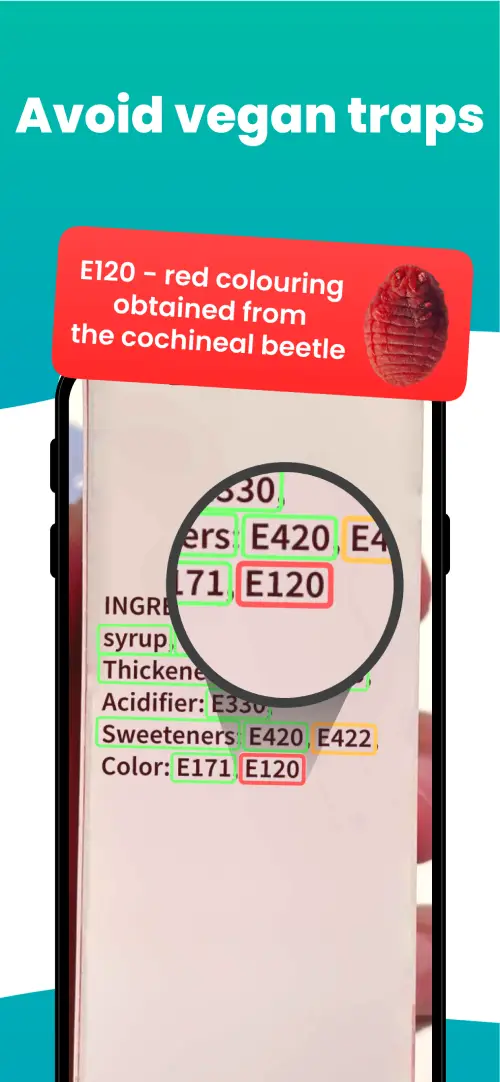
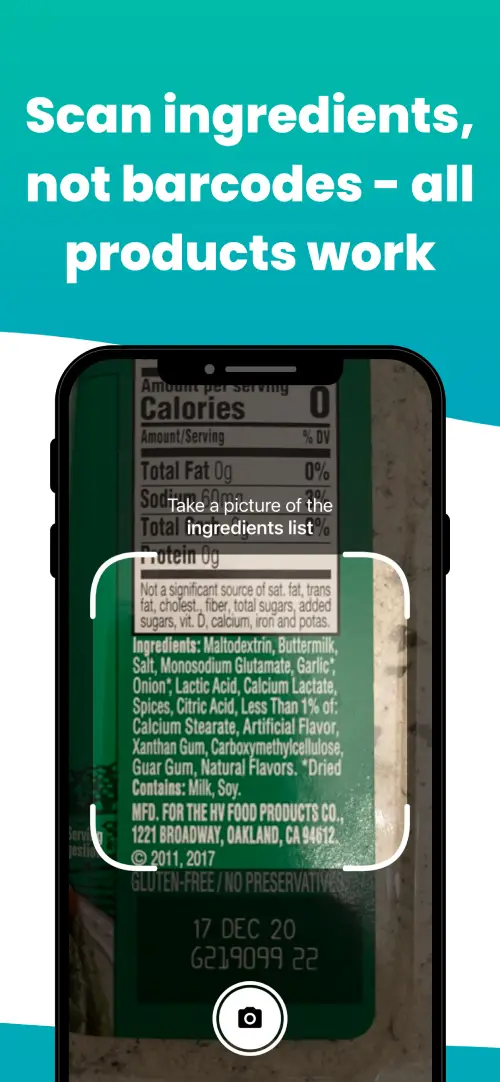
We've built a vegan ingredients scanner that classifies food ingredients as "vegan", "non-vegan", or "potentially vegan".
It allows you to avoid non-vegan ingredients - just take a picture of a product's ingredient list, and the app tells you if the product is vegan or not.



Check out other ingredients:
Is ethylhexyl olivate vegan?Is sodium acrylates copolymer vegan?Is polyglyceryl-4 oleate vegan?Is hydroxyacetophenone vegan?Is adenosine vegan?Is sodium polyacryloyldimethyl taurate vegan?Is pentylene glycol vegan?Is hydrated silica vegan?Is sorbitol/hydrogenated starch hydrolysate vegan?Is xylitol vegan?Is ananas sativus vegan?Is beta vulgaris vegan?
We'll never send you spam.